Money · Andorra · La Batllia (Andorran first-instance court)
The Banking Palace Fell — And With It a Myth: Andorra's Trial of the Century Over the BPA
After nine years and 195 days of oral hearings, an Andorran court has handed down a sweeping 6,180-page judgment convicting 18 former executives of Banca Privada d'Andorra for laundering €70 million linked to a Chinese business group. The ruling closes the first criminal chapter of a scandal that shook a small nation's entire banking sector.
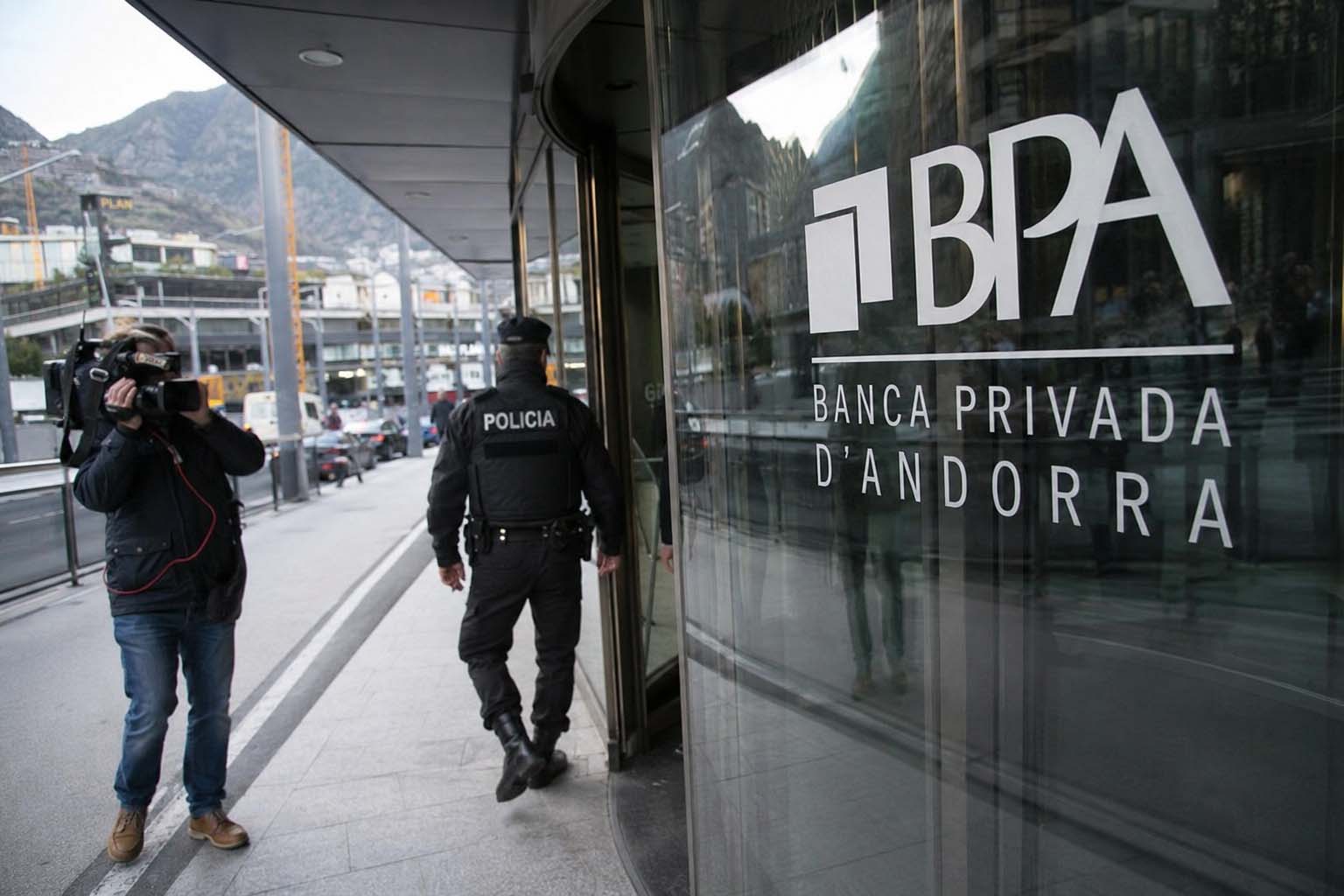
Tiny country. Enormous bank.
Nine years after investigators first opened their files, the Batllia — Andorra's first-instance court — published a judgment running to 6,180 pages and convicting 18 former executives of Banca Privada d'Andorra (BPA) of aggravated money laundering. At the centre of the ruling stands Joan Pau Miquel, the bank's CEO from 2007 until his arrest in 2015, who received the harshest sentence: seven years in prison, a €30 million fine, and a ten-year ban from holding any role in a financial institution. Miquel had spent roughly 22 months in pre-trial detention and maintained his innocence throughout. Behind him in the sentencing hierarchy sit executives including Santiago de Rosselló, the former compliance officer, condemned to six years and a €12 million fine, and Isabel Camino, Amaya de Santiago, and Sergi Fernández, each facing five-year terms and comparable financial penalties. The court found all 18 guilty of the same core charge: habitual money laundering carried out within a banking institution, specifically tied to the laundering of €70 million originating from the Chinese Gao Ming group. Of 24 people tried across 195 hearing days averaging six hours each, six were acquitted; sentences for the rest range from three-and-a-half to seven years, several suspended conditionally for four years, and four foreign nationals also face expulsion from the Principality for a decade. The case traces back to March 2015, when the US Treasury's FinCEN unit flagged BPA as a vehicle for international corruption networks, triggering the bank's immediate takeover by Andorran authorities and the creation of Vall Banc to absorb its clean assets. The article also notes that, over time, the origins of the American report have been linked to an alleged Spanish intelligence operation — known as Operació Catalunya — in which Spain is said to have used diplomatic and political channels to obtain compromising financial data on Catalan independence leaders.
Key facts
- 18 of 24 defendants were convicted; 6 were acquitted.
- Joan Pau Miquel, former CEO, received 7 years in prison, a €30 million fine, and a 10-year financial-sector ban.
- All convictions are for aggravated money laundering within a banking institution, marked by habitual conduct.
- The laundering involved €70 million linked to the Chinese Gao Ming group.
- The judgment runs to 6,180 pages and follows 195 days of oral hearings.
- Prison sentences range from 3.5 to 7 years; several are conditionally suspended for 4 years.
- Four foreign defendants were also ordered expelled from Andorra for 10 years.
- BPA collapsed in March 2015 after a US FinCEN report accused it of facilitating international money laundering.
- Vall Banc was created to absorb BPA's healthy assets after the state takeover.
- The case has been linked to the alleged Spanish intelligence operation known as Operació Catalunya.
The Collapse of the Silent Bank
There are countries so small that one might assume their secrets must be equally diminutive. Andorra is one of them. Wedged between the Pyrenees, cradled by mountains like a child beneath a blanket, the principality lived for decades on the notion that discretion was a virtue. Money arrived silently, remained polite, and disappeared again over the mountain passes, asking no questions. This was called stability. Only when one day men in suits carried files like gravediggers carry their shovels did it become clear that silence also earns interest. Behind the polished counters of Banca Privada d'Andorra, not only fortunes had accumulated, but stories whose origins no one wished to examine too closely. A place where bank employees were once regarded as keepers of trust became overnight a crime scene of international finance.
The trial dragged on longer than some governments endure. For seven years, documents filled shelves, lawyers changed places, and defendants waited for the sentence that would divide their previous lives into a before and after. In the end, the Tribunal de Corts imposed 84 years of imprisonment, of which 29 were unconditional, levied fines of nearly 66 million euros, and found 18 of the 24 defendants guilty. Numbers possess a peculiar coldness. They explain what happened, but never why people believed they could make an entire financial system stop looking.
No revolutionaries stood before the courthouse. There stood former bankers, lawyers, journalists, and onlookers. Some nodded approvingly, others shook their heads. In the cafés, people spoke less about legal codes than about betrayal. Was it betrayal of the law? Betrayal of a country? Or had Andorra itself paid the price for a business model that for decades was celebrated as a success, as long as no one asked where the money came from? Perhaps that is precisely where the tragedy of this trial lies. The judges ruled on accounts and transactions. But the country ruled on itself.
In-depth analysis
The BPA / Gao Ping case is the largest criminal economic trial in Andorra's history. It concerns the former private bank Banca Privada d'Andorra (BPA) and allegations that approximately 70 million euros connected to Chinese businessman Gao Ping were laundered through the bank between 2008 and 2011. Proceedings began in January 2018 and concluded with a verdict delivered on 15 July 2025 by the Tribunal de Corts — a span of more than seven years. Twenty-four individuals stood accused. The court convicted 18 and acquitted 6. The combined sentences total 84 years of imprisonment (29 years to be served, 55 suspended), fines of approximately 65.8 million euros, and professional bans totalling 135 years. The prosecution had sought far harsher outcomes: 141 years of imprisonment, 832 million euros in fines, and 240 years of professional bans. The most prominent convicted person is Joan Pau Miquel, former CEO of BPA, who received 7 years of imprisonment, a 30 million euro fine, and a 10-year professional ban. He had already spent 22 months in pre-trial detention. Other significant sentences were handed to deputy director Santiago de Rosselló (6 years, 12 million euros, 10-year ban), anti-money-laundering head Isabel Camino (5 years, 5 million euros, 10-year ban), client manager Amaya de Santiago (5 years, 5 million euros, 10-year ban), and money-laundering committee member Sergi Fernández (5 years, 5 million euros, 10-year ban). The remaining convicted defendants received predominantly suspended sentences, fines ranging from 15,000 to 2 million euros, and in some cases ten-year expulsion orders and professional bans. The verdict is not yet final; all convicted persons retain the right to appeal to the higher court. The case has provoked intense public debate in Andorra, with opinion divided between those who view the outcome as overdue justice against white-collar crime, those who allege political interference and question judicial independence, those who claim Spain's intelligence services orchestrated BPA's destruction, and a smaller group who argue that the conduct amounted only to tax evasion rather than money laundering. Public questions also remain regarding why the bank's owners, Higini and Ramon Cierco, were not among the defendants, and whether the substantial fines will ever be collected.
Timeline
The sequence of events in this case, from what happened to the court's final decision, in the order the court itself laid them out.
2008–2011
Alleged Act
Approximately 70 million euros allegedly connected to Chinese businessman Gao Ping were laundered through BPA, according to the prosecution.
January 2018
Trial Commencement
Criminal proceedings against 24 defendants began before the Tribunal de Corts in Andorra.
Date unknown
Pre-trial Detention
Former BPA CEO Joan Pau Miquel spent 22 months in pre-trial detention prior to or during proceedings.
15 July 2025
Verdict
The Tribunal de Corts delivered its judgment: 18 convictions and 6 acquittals. Sentences include 84 years total imprisonment, 65.8 million euros in fines, and 135 years of professional bans.
Date unknown
Appeal
The verdict is not yet final. All convicted persons may lodge an appeal with the higher court.
Evidence strength
How much weight each piece of evidence carried in the court's own reasoning -- a longer, darker bar means the court leaned on it more heavily in reaching its decision. This reflects the court's stated reasoning, not an independent judgment of the case.
Financial transaction records (70 million euros through BPA linked to Gao Ping network)
90/100Conduct of senior bank management (CEO, deputy director)
85/100AML compliance failures (head of AML, AML committee member)
75/100Client-facing conduct of relationship manager
65/100Involved persons
The people named in the judgment and the role each one played -- for example the defendant, a witness, or an expert who testified.
Joan Pau Miquel
Defendant (convicted) · Former CEO of Banca Privada d'Andorra (BPA)
Santiago de Rosselló
Defendant (convicted) · Deputy Director of BPA
Isabel Camino
Defendant (convicted) · Head of Money Laundering Prevention at BPA
Amaya de Santiago
Defendant (convicted) · Client Manager at BPA
Sergi Fernández
Defendant (convicted) · Member of BPA's Money Laundering Committee
Gao Ping
Referenced individual (not listed as a defendant in the judgment text) · Chinese businessman
Higini Cierco
Referenced individual (not a defendant) · Owner of BPA (as referenced in public commentary)
Ramon Cierco
Referenced individual (not a defendant) · Owner of BPA (as referenced in public commentary)
Why the court decided this way
The court's own stated reasons for its ruling, listed in the order the court gave them -- not a ranking of legal importance, just the sequence the judgment presents them in.
- Money laundering of approximately 70 million euros through BPA between 2008 and 2011, linked to the network of Chinese businessman Gao Ping
- Failure of bank management and compliance function to prevent or report illicit financial flows (implicated roles: CEO, deputy director, head of anti-money-laundering, client relationship manager, member of AML committee)
- Active participation by multiple bank employees at various hierarchical levels in facilitating the laundering scheme
- Systemic institutional failures within BPA's internal controls over a multi-year period
Frequently asked questions
What is the BPA/Gao Ping case in Andorra?
The BPA/Gao Ping case is the largest criminal economic trial in Andorra's history. It concerns allegations that approximately 70 million euros connected to Chinese businessman Gao Ping were laundered through the former private bank Banca Privada d'Andorra (BPA) between 2008 and 2011. Twenty-four individuals were tried, and the Tribunal de Corts delivered its verdict on 15 July 2025 after proceedings that began in January 2018.
What was the outcome of the BPA trial verdict on 15 July 2025?
The Tribunal de Corts convicted 18 defendants and acquitted 6. The combined sentences total 84 years of imprisonment (29 years unconditional and 55 suspended), fines of approximately 65.8 million euros, and professional bans totalling 135 years.
Who is Joan Pau Miquel and what sentence did he receive?
Joan Pau Miquel is the former CEO of BPA. He is the most prominent convicted person in the trial. The court sentenced him to 7 years of imprisonment, a fine of 30 million euros, and a 10-year professional ban. He had already spent 22 months in pre-trial detention before the verdict.
What charges were brought against the defendants in the BPA case?
The defendants were charged with money laundering in connection with approximately 70 million euros alleged to have passed through BPA between 2008 and 2011 and linked to Chinese businessman Gao Ping.
How long did the BPA trial last?
Proceedings began in January 2018 and the verdict was delivered on 15 July 2025, a span of more than seven years.
What sentences did other prominent defendants receive?
Deputy director Santiago de Rosselló received 6 years, a 12 million euro fine, and a 10-year professional ban. Anti-money-laundering head Isabel Camino, client manager Amaya de Santiago, and money-laundering committee member Sergi Fernández each received 5 years, a 5 million euro fine, and a 10-year professional ban.
What sentences were imposed on the remaining convicted defendants?
According to the case summary, the remaining convicted defendants received predominantly suspended sentences, fines ranging from 15,000 to 2 million euros, and in some cases ten-year expulsion orders and professional bans.
What did the prosecution originally seek compared to what the court imposed?
The prosecution sought 141 years of imprisonment, 832 million euros in fines, and 240 years of professional bans. The court imposed 84 total years of imprisonment (29 unconditional), approximately 65.8 million euros in fines, and 135 years of professional bans — significantly less severe than what was sought.
Is the BPA verdict final?
No. The verdict is not yet final. All convicted persons retain the right to appeal to the higher court.
Why were Higini and Ramon Cierco not among the defendants?
The case summary notes that public questions remain regarding why the bank's owners, Higini and Ramon Cierco, were not among the defendants. The judgment text does not provide an explanation for this, and further detail is not evident in the judgment.
Who is Gao Ping and what is his connection to BPA?
Gao Ping is described in the case as a Chinese businessman. The allegations centre on approximately 70 million euros connected to him that were allegedly laundered through BPA between 2008 and 2011. His precise role as established by the court beyond this connection is not further detailed in the case summary provided.
Which court delivered the BPA verdict?
The verdict was delivered by the Tribunal de Corts, which is the relevant criminal court in Andorra.
What controversy surrounds the BPA case beyond the verdict itself?
The case summary identifies several strands of public controversy: some view the outcome as overdue justice against white-collar crime; others allege political interference and question judicial independence; some claim Spain's intelligence services orchestrated BPA's destruction; and a smaller group argues the conduct amounted only to tax evasion rather than money laundering. Questions also remain about whether the substantial fines will ever be collected.
How many defendants were tried in the BPA case and what were the overall conviction and acquittal numbers?
Twenty-four individuals stood accused. The court convicted 18 and acquitted 6.
What is the significance of the BPA case in Andorra's legal history?
The case is described as the largest criminal economic trial in Andorra's history, both in terms of the number of defendants, the duration of proceedings, the sums involved, and the sentences imposed.
Did any defendants serve pre-trial detention?
Yes. The case summary specifically records that former BPA CEO Joan Pau Miquel had already spent 22 months in pre-trial detention before the verdict was delivered. Whether other defendants also served pre-trial detention is not detailed in the summary.
What professional consequences did convicted defendants face beyond prison sentences?
Convicted defendants faced professional bans totalling 135 years across all defendants, and in some cases ten-year expulsion orders. Senior figures each received 10-year professional bans individually.
Are there concerns about whether the fines in the BPA case will be paid?
Yes. The case summary notes that public questions remain regarding whether the substantial fines will ever be collected. This is identified as an unresolved issue following the verdict.
What allegations were made about Spanish intelligence services in connection with the BPA case?
According to the case summary, some parties have claimed that Spain's intelligence services orchestrated BPA's destruction. This is described as one strand of public debate around the case. Whether the court addressed or made findings on this claim is not evident in the summary provided.
What time period did the alleged money laundering at BPA cover?
The alleged money laundering through BPA connected to Gao Ping is stated to have occurred between 2008 and 2011, a period of approximately three years.
What is the total financial penalty imposed across all defendants in the BPA case?
The combined fines imposed across all convicted defendants total approximately 65.8 million euros.
What argument did some observers make about the nature of the conduct at BPA, as distinct from money laundering?
The case summary notes that a smaller group of observers argued that the conduct involved amounted only to tax evasion rather than money laundering. This is characterised as one position in the surrounding public debate, not a finding of the court.
Why it matters
This is the first major criminal judgment in the BPA affair, one of the longest and most complex cases in Andorran legal history, establishing criminal accountability for systemic money laundering within a licensed bank. The ruling sets a precedent for how Andorra prosecutes financial crime at the executive level and underscores the real-world consequences of FinCEN designations for foreign banks. The case also carries geopolitical weight, given ongoing allegations that the original US report was weaponised as part of a Spanish state intelligence operation targeting Catalan independence figures.
Sources
Defendants vs. Convicted vs. Acquitted
Unconditional vs. conditional imprisonment
After the verdict, the real question remains
Verdicts are the closing point of a court. For a reporter, they are usually the beginning of a story. For no judge convicts a bank. Judges convict people. A bank possesses neither conscience nor greed. It knows no morality and no temptation. It is nothing more than a building full of rules, forms, computers, and people. When it lands in court, it is because those people decided to bend rules, ignore warnings, or stop asking questions.
The BPA trial is therefore far more than the story of a few former bank managers. It is the story of a culture of turning away. Money possesses a peculiar power. It demands no explanations. It does not speak. It does not object. It arrives, is counted, and disappears again. But eventually, every money flow begins to pose questions. Not to the customer, but to the bank. Where does this wealth come from? Why is cash being moved in unusual amounts? Why do transactions flow through companies whose economic purpose is obscure? Why do beneficial owners change as frequently as other people change their shirts?
The greatest defense of any bank has always been: We complied with the law. This is a sentence that seems reassuring at first glance. But laws are not walls; they are minimum standards. Between what is permitted and what would be responsible, there is often a wide space. International financial centers in particular thrive on interpreting this space as generously as possible. As long as no scandal emerges, this is considered business acumen. Only when investigators gather files does this same generosity transform into the suspicion of systematic negligence.
Could BPA have prevented this trial? Probably not once the first suspicions took concrete form. But it could have prevented the trial from being necessary at all. Every modern bank has instruments designed precisely for such situations: consistent identification of beneficial owners, comprehensive documentation of unusual transactions, reporting to the competent authorities, independent compliance departments with genuine decision-making authority, and above all, a corporate culture in which a lucrative customer is not more important than a clean conscience. Such systems cost money. Trials like this ultimately cost far more.
What is particularly instructive here is not the severity of the sentences, but the duration of the proceedings. Seven years of trial means millions of pages of paper, countless days of hearings, and a country that had to grapple with its own past for nearly a decade. The real damage did not occur first with the verdict. It occurred in the moment when trust disappeared. Banks live by trust as bridges live by their pillars. One only notices their importance when one begins to give way.
And one more thing this trial reveals. Major financial scandals rarely begin with spectacular crimes. They begin with small exceptions. A form is filled out late. An unusual payment seems plausible enough. A customer is too important to lose. A supervisor looks the other way. An exception becomes a habit. A habit becomes a system. And eventually, that system sits in the dock.
The story of BPA is therefore not a distinctly Andorran affair. It could just as easily have begun in Zurich, Luxembourg, Singapore, London, or New York. The financial center may have been small; the temptations were the same as anywhere in the world. Anyone who sees in this verdict merely the downfall of a few bankers misses the actual finding. What sat on the defendants' bench in the end was not just a bank. There sat the dangerous illusion that economic success could be permanently more important than careful oversight. This illusion has outlived many institutions. But some have not survived it.