金钱 · 阿尔巴尼亚 · Tirana Prosecution Office
Tirana Prosecution Seizes Apartments and Garage Belonging to Man Sentenced to 10 Years for Narcotic Trafficking
The Tirana Prosecution Office has seized two apartments and a garage belonging to Arben Alla, who was sentenced to 10 years in prison for drug trafficking, after investigators found his assets were disproportionate to his lawfully declared income.
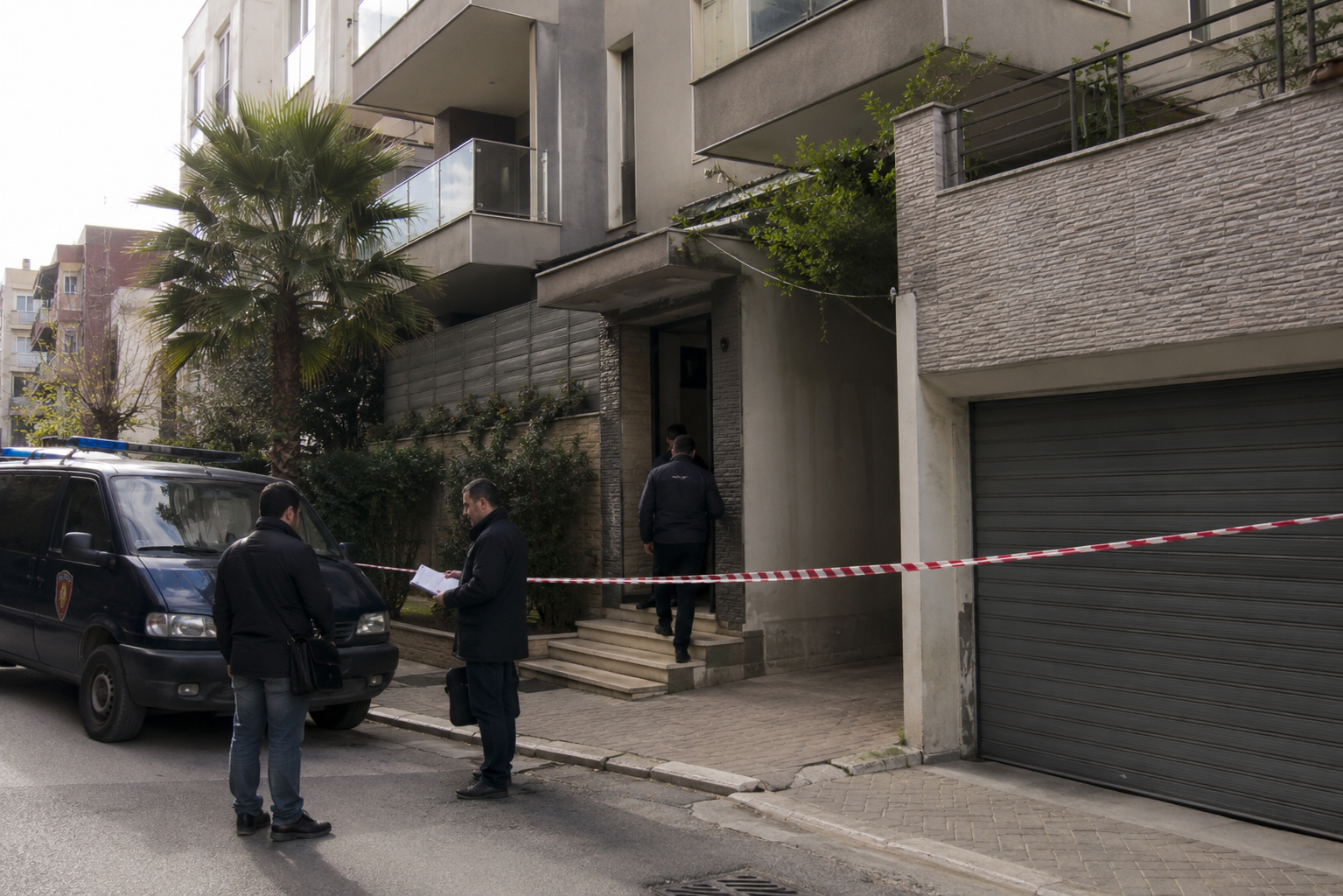
Eine Straße in der albanischen Hauptstadt Tirana.
The Tirana Prosecution Office initiated asset investigation proceedings (No. 02 of 2026) against Arben Alla, a citizen convicted of narcotic trafficking under Article 283/a of the Albanian Criminal Code and sentenced to 10 years' imprisonment. Investigators determined that Alla and his family members lacked sufficient documented income to account for their personal expenses and property investments. A forensic accounting report confirmed a substantial discrepancy between the assets held by Alla and his relatives and their declared lawful income. On this basis, authorities seized a one-bedroom apartment (66.33 m² with a 44 m² terrace) on Xhanfize Keko Street and a two-bedroom apartment (87.9 m² with a 16 m² garage) on Kahreman Ylli Street. The seizures were carried out pursuant to Articles 11 and 24 of Albanian Law No. 10192, dated 3 December 2009, which governs asset forfeiture in cases of serious crime.
关键事实
- Arben Alla was sentenced to 10 years in prison for narcotic trafficking under Article 283/a of the Albanian Criminal Code.
- Asset investigation proceedings No. 02 of 2026 were opened against Alla by the Tirana Prosecution Office.
- A forensic accounting report found a substantial discrepancy between Alla's assets and his declared lawful income.
- Alla's family members were also subjects of the asset investigation.
- A one-bedroom apartment (66.33 m²) with a 44 m² terrace on Xhanfize Keko Street was seized.
- A two-bedroom apartment (87.9 m²) and a 16 m² garage on Kahreman Ylli Street were also seized.
- The seizures were based on Articles 11 and 24 of Law No. 10192, dated 3 December 2009.
- The seized assets may be subject to full confiscation following further legal proceedings.
The Apartments of Silence
There are houses that carry their secrets behind freshly painted facades. From the outside, they hardly differ from their neighbors. Laundry dries on the balconies, children play in the courtyard, somewhere an air conditioner hums against the July heat. Only the men who appear one morning with briefcases and official composure reveal that this house will cease to be ordinary for a few hours.
They do not come to arrest anyone. The verdict has long been delivered. Ten years in prison for drug smuggling. The convicted man is already behind walls that do not open. Today's visit is about the things that remained outside: two apartments, a terrace, a garage, and that silent question of who property really belongs to.
The public prosecutor speaks of asset forfeiture. The auditors speak of numbers. The judges speak of statutes. But houses know nothing of statutes. They know only doors that are opened and closed.
The investigators had calculated. Income against expenses. Salaries against purchase contracts. What should have fit together on paper refused to add up. Money was missing somewhere, or there was too much of it. The difference eventually received a name: unexplained assets.
Thus two apartments became evidence.
The first measures barely more than sixty-six square meters. Its terrace is almost as large as some worker's apartment. Perhaps someone drank their first coffee of the day there. Perhaps geraniums stood there. Perhaps one looked out from there at Tirana and believed one had arrived.
The second apartment is larger. Almost eighty-eight square meters. Plus a garage, sixteen square meters of concrete, large enough for a car and small enough to occupy only one line in a court file.
It is peculiar how little walls tell about their owners. They know nothing of drug trafficking. Nothing of investigations. Nothing of Article 283/a of the Penal Code or of Law No. 10192 on the confiscation of criminal assets. They simply stand there and wait until others decide their fate.
The investigation did not end with the convicted man. The financial circumstances of his relatives were also examined. For money that originates from illegal activity rarely stops at the front door of its first owner. It wanders through accounts, contracts, and family histories until its origins seem almost forgotten. Only then does the auditor begin to trace this path backward—patiently, page by page, transaction by transaction.
It is a peculiar form of modern criminology. Once one sought the perpetrator. Today one seeks the money.
The judges later decide whether preliminary seizure becomes permanent confiscation. Until then, the apartments remain in a kind of legal limbo. They belong to no one entirely and yet still exist, as if waiting for their next resident or their next entry in the property register.
Perhaps therein lies the true punishment of our time. No longer merely the deprivation of liberty, but the loss of those things that convey the appearance of a successful life: a balcony, a terrace, a garage door, behind which no car waits any longer.
Thus this case does not end with handcuffs and police sirens. It ends quietly. With case numbers. With property register pages. With the keys to two apartments that now lie in a drawer of the public prosecutor's office and remain silent like their former owners.
深度分析
本案涉及Harben Alla(又称Arben Alla或A.A.),男,54岁,因触犯阿尔巴尼亚《刑法典》第283/a条,以贩毒罪被定罪,判处有期徒刑十年。刑事判决生效后,地拉那检察院另案启动资产调查程序(案号02/2026),调查重点并非当事人的罪责问题,而是其财富来源。检察院委托法证财务审计,专家得出结论:Alla依法申报的合法收入与其实际持有资产之间存在重大且无法从经济角度合理解释的缺口。经查,Alla及其近亲属均无足够的合法收入来源,无法合理说明其日常生活支出、房产购置及投资行为。基于上述认定,法院裁定对地拉那三处房产采取预防性查封措施,分别为:Xhanfize-Keko街一套建筑面积66.33平方米、带44平方米露台的公寓,Kahreman-Ylli街一套建筑面积87.9平方米的公寓,以及一间16平方米的车库。据阿尔巴尼亚媒体报道,上述资产的综合估计市值约为42万欧元。此次查封依据2009年12月3日颁布的阿尔巴尼亚第10192号法律(具体适用第11条和第24条),由地拉那警察局打击洗钱和犯罪资产专项部门与检察院联合开展"De facto"警察行动加以执行。本案亦对Alla家庭成员的资产进行了审查,但并非因为他们涉嫌犯罪,而是依据法律规定,凡在经济上可归因于被定罪人或由犯罪所得资助的资产,均可纳入调查范围。需要特别指出的是,目前采取的措施仅为预防性查封;是否予以永久没收,须经另案法院程序另行裁定。当局表示,调查仍在持续,正进一步追查其他资产,相关人员的资产也在继续审查之中。本案被定性为阿尔巴尼亚司法机关在贩毒定罪后追缴资产这一更宏观司法策略的组成部分,与欧洲法律标准保持一致。
时间线
本案的事件经过,从事发到法院最终裁决,按照法院自身陈述的顺序排列。
日期不详
刑事定罪
Harben Alla因触犯阿尔巴尼亚《刑法典》第283/a条,以贩毒罪被终审定罪,判处有期徒刑十年。
日期不详(案号02/2026于定罪后启动)
资产调查程序启动
地拉那检察院另案启动资产调查程序(案号02/2026),审查Alla的资产能否以合法收入加以解释。调查范围涵盖税务数据、不动产登记记录、收入档案、生活支出、资产流转情况以及近亲属的财务状况。
日期不详
法证财务审计
检察院委托开展法证财务审计。专家发现,Alla及其家庭成员依法申报的合法收入与实际持有资产之间存在重大且无法从经济角度合理解释的缺口。
日期不详
查封裁定
法院裁定对三处房产采取预防性查封措施,分别为:地拉那Xhanfize-Keko街一套建筑面积66.33平方米、带44平方米露台的公寓,Kahreman-Ylli街一套建筑面积87.9平方米的公寓,以及一间16平方米的车库。
日期不详
警察行动执行
地拉那警察局打击洗钱和犯罪资产专项部门与检察院联合开展"De facto"警察行动,执行法院的查封裁定。
持续进行中(截至报告发布之日)
调查持续推进
当局表示,调查仍在继续,正进一步追查其他资产,相关人员的资产亦在审查之中。目前尚未作出永久没收裁定。
证据强度
每项证据在法院裁决理由中所占的分量——柱状越长、颜色越深,表示法院在做出裁决时对该证据的依赖程度越高。这反映的是法院自身的裁决理由,而非对案件的独立评价。
Forensic financial expert opinion (income-to-wealth gap)
95/100Tax and income records
85/100Land registry entries
80/100Prior drug-trafficking conviction
80/100Asset movement and investment records
70/100Living-cost analysis
60/100Financial review of relatives' assets
55/100相关人员
判决书中提到的人物及其各自扮演的角色,例如被告、证人或专家。
Harben Alla(又称Arben Alla或A.A.)
被定罪人/资产程序调查对象 · 普通公民;经定罪的毒品走私者
地拉那检察院
检察机关 · 启动并开展资产调查程序(案号02/2026);委托法证财务审计;参与执行查封行动
地拉那警察局打击洗钱和犯罪资产专项部门
执法机关 · 执行"De facto"警察行动,落实法院裁定的资产查封措施
法证财务专家(姓名不详)
鉴定证人/审计人员 · 开展法证财务审计,对比Alla申报的合法收入与实际资产状况
Alla的家庭成员(姓名不详)
受财务审查的第三方 · 本人未被指控任何犯罪;其财务状况受到审查,旨在判断其名下资产是否在经济上可归因于Alla,或系以犯罪所得资助购置
法院做出此判决的原因
法院对其裁决所陈述的理由,按判决书中出现的顺序列出——并非按法律重要性排序,仅是陈述顺序。
- 法证财务审计揭示,Harben Alla及其家庭成员依法申报的合法收入与实际资产之间存在无法合理解释的缺口
- Harben Alla此前已因触犯阿尔巴尼亚《刑法典》第283/a条被定贩毒罪(判处十年有期徒刑),该定罪构成资产程序的前置犯罪基础
- Alla及其家庭成员均无法证明其拥有足够的合法收入来源,以说明被查封不动产的购置、日常生活支出及投资行为
- 依据2009年12月3日颁布的阿尔巴尼亚第10192号法律(第11条和第24条),对无法以合法收入解释的资产——包括可能归因于被定罪人的关联人员名下资产——依法采取预防性查封措施
- 家庭成员名下资产被纳入审查,依据在于该等资产在经济上可能归因于Alla本人,或系以犯罪所得资助购置
常见问题
Harben Alla是何人,因何罪被定罪?
Harben Alla,又在判决中被称为Arben Alla或A.A.,男,54岁,因触犯阿尔巴尼亚《刑法典》第283/a条,以贩毒罪被终审定罪,判处有期徒刑十年。
案号02/2026是什么案件,与刑事案件有何区别?
案号02/2026是地拉那检察院在刑事定罪生效后另案启动的资产调查程序。与认定罪责的刑事案件不同,本程序专门聚焦于Alla财富的来源,审查其资产能否以合法途径加以解释。
被预防性查封的三处房产分别是哪些?
三处房产分别为:地拉那Xhanfize-Keko街一套建筑面积66.33平方米、带44平方米露台的公寓;地拉那Kahreman-Ylli街一套建筑面积87.9平方米的公寓;以及一间16平方米的车库。
被查封资产的估计价值是多少?
据阿尔巴尼亚媒体报道,三处被查封房产的综合估计市值约为42万欧元。该数据来源于媒体报道,并非判决本身正式认定的司法评估价值。
本次查封所依据的法律基础是什么?
查封依据2009年12月3日颁布的阿尔巴尼亚第10192号法律,具体适用该法第11条和第24条,上述条款规范与犯罪活动相关资产的预防性查封事宜。
何为预防性查封?这是否意味着涉案房产已被永久没收?
预防性查封是一种临时性法律措施,在后续程序进行期间冻结相关资产。根据判决摘要,是否对涉案房产予以永久没收,尚须经另案法院程序另行裁定,目前尚未作出永久没收决定。
法证财务审计在本案中发挥了怎样的作用?
法证财务审计作为资产调查程序的组成部分受托开展。专家结论认定,Alla依法申报的合法收入与其实际资产之间存在重大且无法从经济角度合理解释的缺口,该结论构成查封裁定的主要证据基础。
为何对Alla家庭成员的资产进行审查?
阿尔巴尼亚法律允许将在经济上可归因于被定罪人、或由犯罪所得资助购置的资产纳入审查范围,即便该等资产名义上由近亲属持有亦不例外。家庭成员本身并未被指控任何犯罪,对其财务状况的审查,仅旨在判断相关资产是否与Alla的犯罪活动存在关联。
审查家庭成员资产是否意味着他们被追究刑事责任?
并非如此。判决摘要明确指出,家庭成员的资产之所以受到审查,并非因为他们被指控犯罪,而是因为阿尔巴尼亚法律允许将在经济上可归因于被定罪人、或由犯罪所得资助购置的资产纳入调查范围。
负责执行查封的是哪个警察单位和检察机关?
查封由地拉那警察局打击洗钱和犯罪资产专项部门与检察院联合开展"De facto"警察行动加以执行。
认定资产来源不明所适用的法律标准是什么?
根据判决摘要,适用的标准为明显的财产失衡:Alla及其近亲属均无法以合法收入来源说明其日常生活支出、房产购置及投资行为。法证专家将这一缺口认定为无法从经济角度合理解释。
本案调查是否已经结束?
调查仍在持续推进中。当局表示,正进一步追查其他资产,相关人员的资产亦在继续审查。目前的预防性查封并非资产程序的最终结果。
本案与阿尔
为何重要
This case illustrates Albania's use of civil asset forfeiture mechanisms under Law No. 10192 to pursue proceeds of crime beyond the criminal conviction itself, extending investigations to family members' assets. It demonstrates the application of forensic accounting as a key tool to establish disproportionate wealth and justify asset seizure in drug trafficking cases. The case reinforces Albania's broader anti-corruption and anti-organised crime framework aligned with European integration standards.
信息来源
Share of men / women in this crime in Albania
How could the defendant have reduced his sentence?
One should clearly distinguish between general legal options and the specific case. Since the judgment reasoning was not published, it is impossible to say which options were actually available.
In general, in Albania – as in many European legal systems – the following may be considered, among others:
- early confession,
- extensive cooperation with investigative authorities,
- clarification of further offenses or perpetrators,
- restitution of damages, where relevant,
- proof of lesser involvement in the offense,
- successful challenge of individual pieces of evidence or procedural errors,
- favorable personal circumstances (e.g., first-time offender, family hardship), insofar as legally considered.
Whether any of these points would have been possible here is not apparent from the published information.