金钱 · 安道尔 · La Batllia (Andorran first-instance court)
The Banking Palace Fell — And With It a Myth: Andorra's Trial of the Century Over the BPA
After nine years and 195 days of oral hearings, an Andorran court has handed down a sweeping 6,180-page judgment convicting 18 former executives of Banca Privada d'Andorra for laundering €70 million linked to a Chinese business group. The ruling closes the first criminal chapter of a scandal that shook a small nation's entire banking sector.
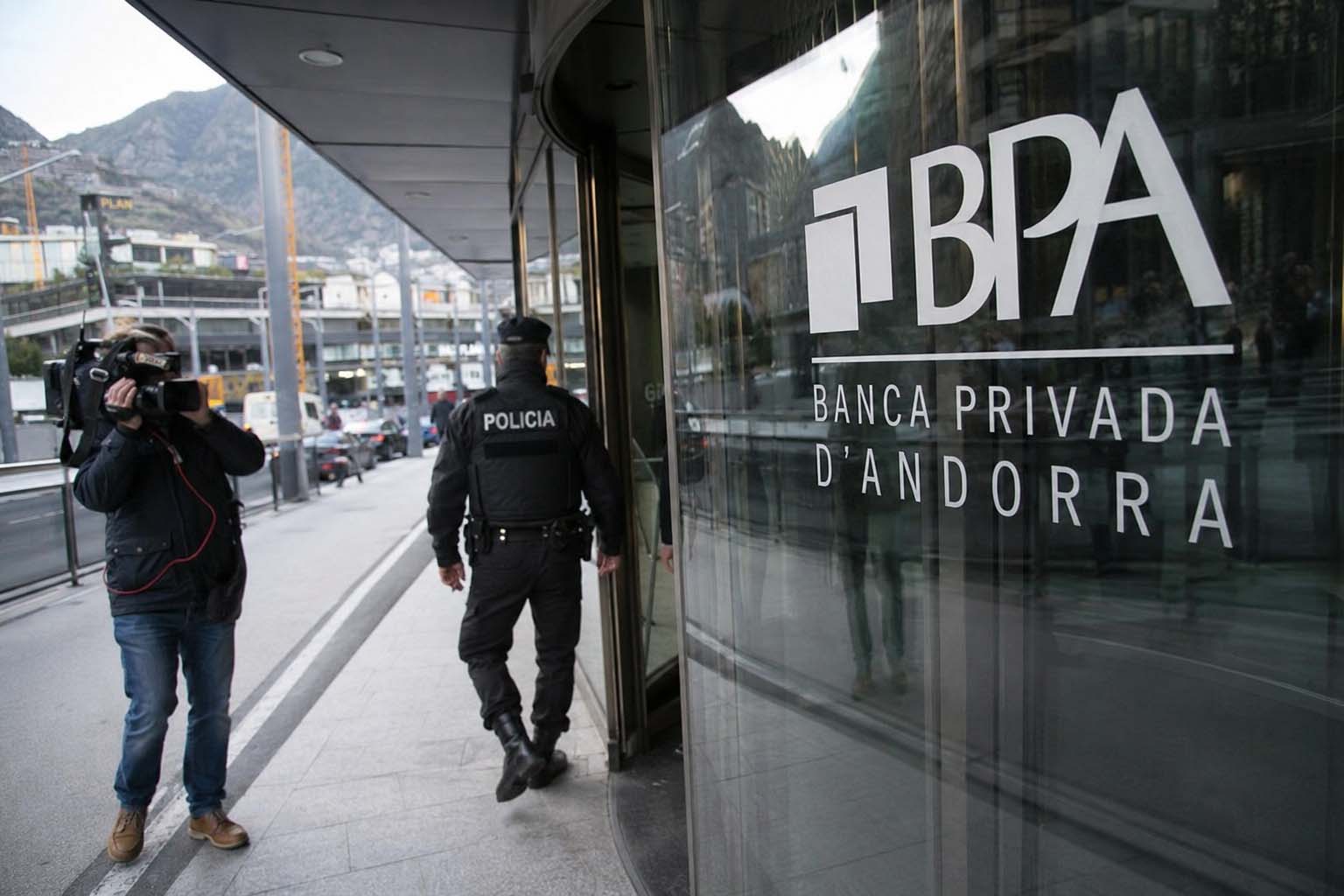
Tiny country. Enormous bank.
Nine years after investigators first opened their files, the Batllia — Andorra's first-instance court — published a judgment running to 6,180 pages and convicting 18 former executives of Banca Privada d'Andorra (BPA) of aggravated money laundering. At the centre of the ruling stands Joan Pau Miquel, the bank's CEO from 2007 until his arrest in 2015, who received the harshest sentence: seven years in prison, a €30 million fine, and a ten-year ban from holding any role in a financial institution. Miquel had spent roughly 22 months in pre-trial detention and maintained his innocence throughout. Behind him in the sentencing hierarchy sit executives including Santiago de Rosselló, the former compliance officer, condemned to six years and a €12 million fine, and Isabel Camino, Amaya de Santiago, and Sergi Fernández, each facing five-year terms and comparable financial penalties. The court found all 18 guilty of the same core charge: habitual money laundering carried out within a banking institution, specifically tied to the laundering of €70 million originating from the Chinese Gao Ming group. Of 24 people tried across 195 hearing days averaging six hours each, six were acquitted; sentences for the rest range from three-and-a-half to seven years, several suspended conditionally for four years, and four foreign nationals also face expulsion from the Principality for a decade. The case traces back to March 2015, when the US Treasury's FinCEN unit flagged BPA as a vehicle for international corruption networks, triggering the bank's immediate takeover by Andorran authorities and the creation of Vall Banc to absorb its clean assets. The article also notes that, over time, the origins of the American report have been linked to an alleged Spanish intelligence operation — known as Operació Catalunya — in which Spain is said to have used diplomatic and political channels to obtain compromising financial data on Catalan independence leaders.
关键事实
- 18 of 24 defendants were convicted; 6 were acquitted.
- Joan Pau Miquel, former CEO, received 7 years in prison, a €30 million fine, and a 10-year financial-sector ban.
- All convictions are for aggravated money laundering within a banking institution, marked by habitual conduct.
- The laundering involved €70 million linked to the Chinese Gao Ming group.
- The judgment runs to 6,180 pages and follows 195 days of oral hearings.
- Prison sentences range from 3.5 to 7 years; several are conditionally suspended for 4 years.
- Four foreign defendants were also ordered expelled from Andorra for 10 years.
- BPA collapsed in March 2015 after a US FinCEN report accused it of facilitating international money laundering.
- Vall Banc was created to absorb BPA's healthy assets after the state takeover.
- The case has been linked to the alleged Spanish intelligence operation known as Operació Catalunya.
The Collapse of the Silent Bank
There are countries so small that one might assume their secrets must be equally diminutive. Andorra is one of them. Wedged between the Pyrenees, cradled by mountains like a child beneath a blanket, the principality lived for decades on the notion that discretion was a virtue. Money arrived silently, remained polite, and disappeared again over the mountain passes, asking no questions. This was called stability. Only when one day men in suits carried files like gravediggers carry their shovels did it become clear that silence also earns interest. Behind the polished counters of Banca Privada d'Andorra, not only fortunes had accumulated, but stories whose origins no one wished to examine too closely. A place where bank employees were once regarded as keepers of trust became overnight a crime scene of international finance.
The trial dragged on longer than some governments endure. For seven years, documents filled shelves, lawyers changed places, and defendants waited for the sentence that would divide their previous lives into a before and after. In the end, the Tribunal de Corts imposed 84 years of imprisonment, of which 29 were unconditional, levied fines of nearly 66 million euros, and found 18 of the 24 defendants guilty. Numbers possess a peculiar coldness. They explain what happened, but never why people believed they could make an entire financial system stop looking.
No revolutionaries stood before the courthouse. There stood former bankers, lawyers, journalists, and onlookers. Some nodded approvingly, others shook their heads. In the cafés, people spoke less about legal codes than about betrayal. Was it betrayal of the law? Betrayal of a country? Or had Andorra itself paid the price for a business model that for decades was celebrated as a success, as long as no one asked where the money came from? Perhaps that is precisely where the tragedy of this trial lies. The judges ruled on accounts and transactions. But the country ruled on itself.
深度分析
BPA/高平案是安道尔历史上最大的刑事经济审判。该案涉及前私人银行安道尔私人银行(BPA)及指控称约7000万欧元与中国商人高平相关的资金在2008年至2011年期间通过该银行进行了洗钱。诉讼始于2018年1月,并于2025年7月15日由宫廷法庭(Tribunal de Corts)作出判决,历时七年多。24名被告遭起诉,法院判处18人有罪,6人无罪。总监禁刑期为84年(29年实刑,55年缓刑),罚款约6580万欧元,职业禁令合计135年。检控方曾寻求更严厉的处罚:141年监禁、8.32亿欧元罚款和240年职业禁令。最受瞩目的被判有罪者是前BPA首席执行官胡安·保罗·米克尔(Joan Pau Miquel),他被判处7年监禁、3000万欧元罚款和10年职业禁令。他在判决前已服刑22个月。其他重要判罚包括副总经理圣地亚哥·德罗塞罗(Santiago de Rosselló)(6年、1200万欧元、10年禁令)、反洗钱部门主管伊莎贝尔·卡米诺(Isabel Camino)(5年、500万欧元、10年禁令)、客户经理阿玛亚·德圣地亚哥(Amaya de Santiago)(5年、500万欧元、10年禁令)和洗钱委员会成员塞尔吉·费尔南德斯(Sergi Fernández)(5年、500万欧元、10年禁令)。其余被判有罪的被告主要获得缓刑,罚款从1.5万欧元至200万欧元不等,部分情况下还包括10年驱逐令和职业禁令。判决尚未最终定案;所有被判有罪人士保留向上级法院上诉的权利。该案在安道尔引发了激烈的公众辩论,意见分为:认为判决是对白领犯罪的迟到的正义者;声称存在政治干预并质疑司法独立者;主张西班牙情报部门策划了BPA毁灭的人士;以及认为上述行为仅构成逃税而非洗钱的少数群体。公众还对银行所有者希金尼·西尔科和拉蒙·西尔科(Higini and Ramon Cierco)为何未成为被告提出质疑,以及巨额罚款是否会被征收等问题提出了疑问。
时间线
本案的事件经过,从事发到法院最终裁决,按照法院自身陈述的顺序排列。
2008–2011
涉嫌犯罪
根据控方指控,约7000万欧元与中国商人高平相关的资金通过BPA进行了洗钱。
2018年1月
审判启动
针对24名被告的刑事诉讼在安道尔宫廷法庭(Tribunal de Corts)启动。
日期未知
审前羁押
前BPA首席执行官胡安·保罗·米克尔在诉讼前或诉讼期间被羁押22个月。
2025年7月15日
判决
宫廷法庭作出判决:18人有罪,6人无罪。刑罚包括总计84年监禁、6580万欧元罚款和135年职业禁令。
日期未知
上诉
判决尚未最终定案。所有被判有罪人士可向上级法院提起上诉。
证据强度
每项证据在法院裁决理由中所占的分量——柱状越长、颜色越深,表示法院在做出裁决时对该证据的依赖程度越高。这反映的是法院自身的裁决理由,而非对案件的独立评价。
金融交易记录(7000万欧元通过BPA流向与高平关系网络)
90/100高级银行管理层行为(首席执行官、副总经理)
85/100反洗钱合规失职(反洗钱部门负责人、反洗钱委员会成员)
75/100客户关系经理的行为
65/100相关人员
判决书中提到的人物及其各自扮演的角色,例如被告、证人或专家。
Joan Pau Miquel
被告(已判有罪) · 安道尔私人银行(BPA)前首席执行官
Santiago de Rosselló
被告(已判有罪) · BPA副总经理
Isabel Camino
被告(已判有罪) · BPA反洗钱部门负责人
Amaya de Santiago
被告(已判有罪) · BPA客户经理
Sergi Fernández
被告(已判有罪) · BPA反洗钱委员会成员
Gao Ping
相关个人(未列为被告) · 中国商人
Higini Cierco
相关个人(非被告) · BPA所有者(根据公众评论)
Ramon Cierco
相关个人(非被告) · BPA所有者(根据公众评论)
法院做出此判决的原因
法院对其裁决所陈述的理由,按判决书中出现的顺序列出——并非按法律重要性排序,仅是陈述顺序。
- 2008年至2011年期间通过BPA对约7000万欧元进行洗钱,该资金与中国商人高平的关系网络相关
- 银行管理层和合规部门未能阻止或报告非法资金流动(涉及角色:首席执行官、副总经理、反洗钱部门负责人、客户经理、洗钱委员会成员)
- 多名银行员工在不同管理层级积极参与便利洗钱计划
- BPA内部控制在多年期间存在系统性制度失职
常见问题
安道尔BPA/高平案是什么?
BPA/高平案是安道尔历史上最大的刑事经济审判。该案涉及前私人银行安道尔私人银行(BPA)的指控,称约7000万欧元与中国商人高平相关的资金在2008年至2011年期间通过该银行进行了洗钱。24名个人遭起诉,宫廷法庭于2025年7月15日作出判决,诉讼历时从2018年1月开始。
2025年7月15日BPA审判判决的结果是什么?
宫廷法庭判处18名被告有罪,6人无罪。总刑罚包括84年监禁(29年实刑和55年缓刑)、约6580万欧元罚款和合计135年的职业禁令。
胡安·保罗·米克尔是谁,他获得了什么判罚?
胡安·保罗·米克尔是BPA的前首席执行官。他是该审判中被判有罪最受瞩目的人士。法院判处他7年监禁、3000万欧元罚款和10年职业禁令。在判决前,他已服刑22个月。
BPA案被告遭指控的罪名是什么?
被告遭指控与金钱洗钱有关。指控内容包括约7000万欧元在2008年至2011年期间通过BPA流动,且与中国商人高平相关联。
BPA审判历时多长?
诉讼始于2018年1月,判决于2025年7月15日作出,历时超过七年。
其他受瞩目的被告获得了什么判罚?
副总经理圣地亚哥·德罗塞罗获得6年监禁、1200万欧元罚款和10年职业禁令。反洗钱部门主管伊莎贝尔·卡米诺、客户经理阿玛亚·德圣地亚哥和洗钱委员会成员塞尔吉·费尔南德斯各获得5年监禁、500万欧元罚款和10年职业禁令。
其他被判有罪的被告获得了什么判罚?
根据案件摘要,其他被判有罪的被告主要获得缓刑,罚款从1.5万欧元至200万欧元不等,部分情况下还包括10年驱逐令和职业禁令。
与法院判罚相比,控方最初寻求什么处罚?
控方寻求141年监禁、8.32亿欧元罚款和240年职业禁令。法院判罚为总计84年监禁(29年实刑)、约6580万欧元罚款和135年职业禁令——远低于控方寻求的严厉程度。
BPA判决是最终判决吗?
否。判决尚未最终定案。所有被判有罪人士保留向上级法院上诉的权利。
为什么希金尼·西尔科和拉蒙·西尔科未成为被告?
案件摘要指出,公众提出了质疑:为什么银行所有者希金尼·西尔科和拉蒙·西尔科未成为被告。判决文本未提供对此的解释,摘要中也无相关进一步细节。
高平是谁,他与BPA有什么关联?
高平在案件中被描述为中国商人。指控的核心涉及约7000万欧元与他相关的资金在2008年至2011年期间通过BPA被洗钱。除此之外,法院确立的他的具体角色在提供的案件摘要中未作进一步说明。
哪个法院作出了BPA判决?
判决由宫廷法庭(Tribunal de Corts)作出,这是安道尔相关的刑事法院。
除了判决本身外,BPA案还引发了哪些争议?
案件摘要指出了几个公众争议方面:一些人认为判决是对白领犯罪迟到的正义;另一些人声称存在政治干预并质疑司法独立;一些人声称西班牙情报部门策划了BPA的毁灭;较少数人则认为这些行为仅构成逃税而非洗钱。关于巨额罚款是否会被征收、银行所有者为何未成为被告等问题也引发了质疑。
BPA案共有多少被告进行审判,总体有罪和无罪判决数是多少?
共有24名个人遭起诉。法院判处18人有罪,6人无罪。
BPA案在安道尔法律史上的意义是什么?
该案被描述为安道尔历史上最大的刑事经济审判,无论是从被告数量、诉讼期限、涉及金额还是判罚严厉程度而言都是如此。
是否有被告服刑审前羁押?
是。案件摘要特别记载,前BPA首席执行官胡安·保罗·米克尔在判决前已服刑22个月的审前羁押。摘要中未说明是否有其他被告也服刑审前羁押。
被判有罪的被告除了监禁刑以外还面临什么专业后果?
被判有罪的被告共面临135年的职业禁令,部分情况下还包括10年驱逐令。主要人物各自面临10年的职业禁令。
是否存在关于BPA案罚款是否会被支付的疑虑?
是。案件摘要指出,公众质疑巨额罚款是否会被征收。这被确认为判决后的一个未决问题。
关于西班牙情报部门与BPA案的关联,作出了什么指控?
根据案件摘要,一些人士声称西班牙情报部门策划了BPA的毁灭。这被描述为围绕该案的公众辩论的一个方面。法院是否就此声明进行了审议或作出了裁定在摘要中不清楚。
BPA涉嫌洗钱的时间段是多长?
与高平关系网络相关的通过BPA的涉嫌洗钱发生在2008年至2011年期间,跨度约三年。
BPA案中对所有被告施加的总体罚款是多少?
对所有被判有罪的被告施加的总计罚款约为6580万欧元。
部分观察人士对BPA涉嫌行为的性质提出了什么论证,以区别于洗钱?
案件摘要指出,较少数观察人士主张所涉行为仅构成逃税而非洗钱。这被表述为围绕该案的公众辩论的一个立场,而非法院的裁定。
为何重要
This is the first major criminal judgment in the BPA affair, one of the longest and most complex cases in Andorran legal history, establishing criminal accountability for systemic money laundering within a licensed bank. The ruling sets a precedent for how Andorra prosecutes financial crime at the executive level and underscores the real-world consequences of FinCEN designations for foreign banks. The case also carries geopolitical weight, given ongoing allegations that the original US report was weaponised as part of a Spanish state intelligence operation targeting Catalan independence figures.
信息来源
Defendants vs. Convicted vs. Acquitted
Unconditional vs. conditional imprisonment
After the verdict, the real question remains
Verdicts are the closing point of a court. For a reporter, they are usually the beginning of a story. For no judge convicts a bank. Judges convict people. A bank possesses neither conscience nor greed. It knows no morality and no temptation. It is nothing more than a building full of rules, forms, computers, and people. When it lands in court, it is because those people decided to bend rules, ignore warnings, or stop asking questions.
The BPA trial is therefore far more than the story of a few former bank managers. It is the story of a culture of turning away. Money possesses a peculiar power. It demands no explanations. It does not speak. It does not object. It arrives, is counted, and disappears again. But eventually, every money flow begins to pose questions. Not to the customer, but to the bank. Where does this wealth come from? Why is cash being moved in unusual amounts? Why do transactions flow through companies whose economic purpose is obscure? Why do beneficial owners change as frequently as other people change their shirts?
The greatest defense of any bank has always been: We complied with the law. This is a sentence that seems reassuring at first glance. But laws are not walls; they are minimum standards. Between what is permitted and what would be responsible, there is often a wide space. International financial centers in particular thrive on interpreting this space as generously as possible. As long as no scandal emerges, this is considered business acumen. Only when investigators gather files does this same generosity transform into the suspicion of systematic negligence.
Could BPA have prevented this trial? Probably not once the first suspicions took concrete form. But it could have prevented the trial from being necessary at all. Every modern bank has instruments designed precisely for such situations: consistent identification of beneficial owners, comprehensive documentation of unusual transactions, reporting to the competent authorities, independent compliance departments with genuine decision-making authority, and above all, a corporate culture in which a lucrative customer is not more important than a clean conscience. Such systems cost money. Trials like this ultimately cost far more.
What is particularly instructive here is not the severity of the sentences, but the duration of the proceedings. Seven years of trial means millions of pages of paper, countless days of hearings, and a country that had to grapple with its own past for nearly a decade. The real damage did not occur first with the verdict. It occurred in the moment when trust disappeared. Banks live by trust as bridges live by their pillars. One only notices their importance when one begins to give way.
And one more thing this trial reveals. Major financial scandals rarely begin with spectacular crimes. They begin with small exceptions. A form is filled out late. An unusual payment seems plausible enough. A customer is too important to lose. A supervisor looks the other way. An exception becomes a habit. A habit becomes a system. And eventually, that system sits in the dock.
The story of BPA is therefore not a distinctly Andorran affair. It could just as easily have begun in Zurich, Luxembourg, Singapore, London, or New York. The financial center may have been small; the temptations were the same as anywhere in the world. Anyone who sees in this verdict merely the downfall of a few bankers misses the actual finding. What sat on the defendants' bench in the end was not just a bank. There sat the dangerous illusion that economic success could be permanently more important than careful oversight. This illusion has outlived many institutions. But some have not survived it.