犯罪 · 奥地利 · Landesgericht Feldkirch (Feldkirch Regional Court)
"I'm Not Your Brother": Judge Rebukes 'Bro' Remark as Alleged Robbery Case Ends in Acquittals
A robbery trial in Feldkirch, Austria, unraveled spectacularly when the alleged victim changed his story on the stand and dismissed the judge's scepticism with a breezy 'All good, bro' — prompting the visibly irritated judge to snap back: 'I am not your brother!'
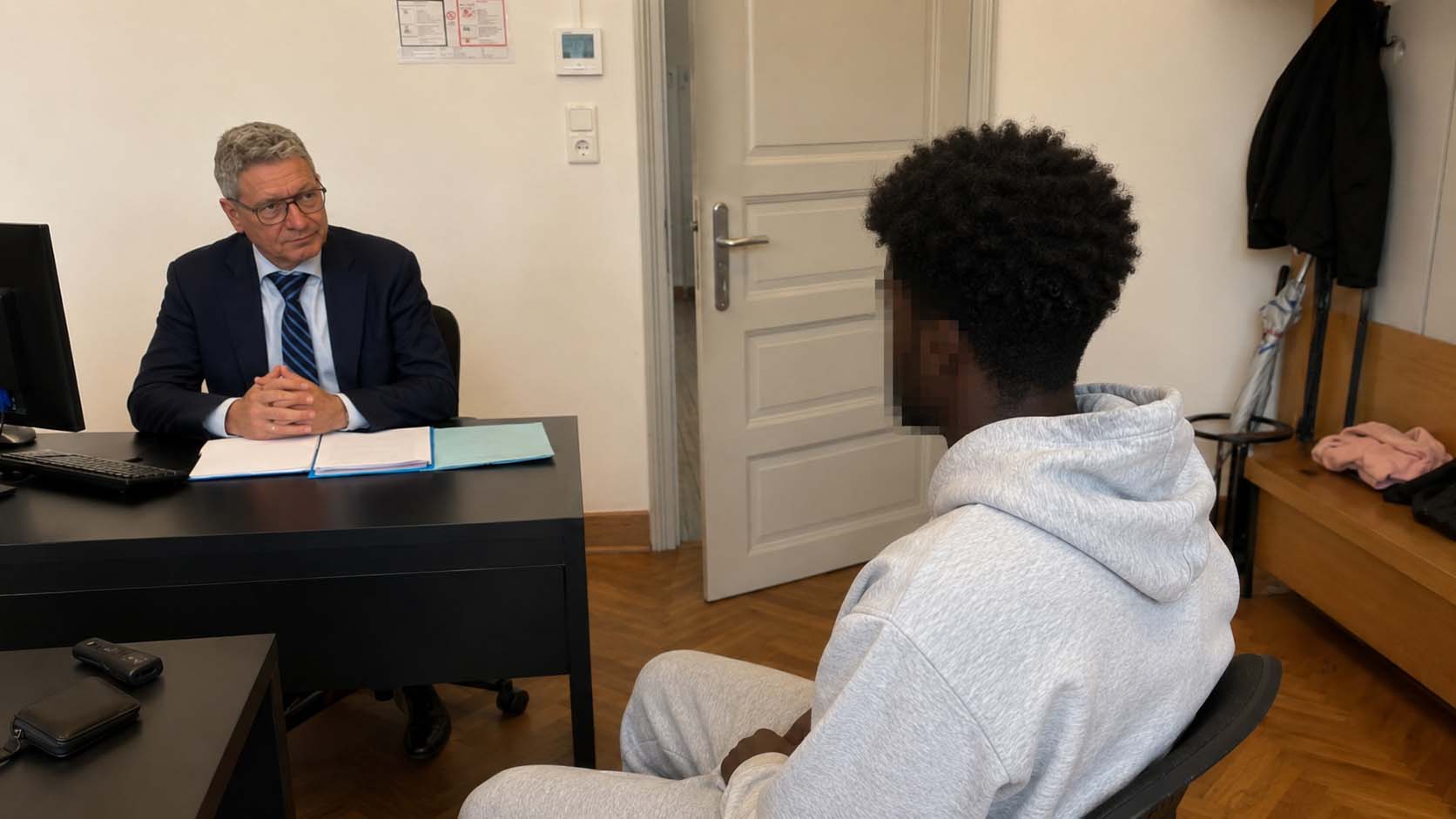
'Bro': The Feldkirch Regional Court as a theater stage.
It started as a straightforward robbery case: two Somali men were accused of luring a man from a betting shop in Dornbirn into a dark alleyway in late January, on the pretext of changing money, then taking a 100-euro note from him by force. Security footage confirmed the three men left the venue together that night, but the actual alleged assault happened off camera — and from there, the case fell apart piece by piece. The defendants offered a starkly different account, claiming the encounter was nothing more than a small cannabis deal worth 20 euros, with the alleged victim owing money. Then the alleged victim himself took the stand and promptly contradicted his own police statement, suddenly insisting the second defendant was actually a friend who had stepped in to mediate. Judge Elias Klingseis confronted him directly with the contradictions, making clear he wasn't buying the story — only for the witness to shrug it off with 'All good, bro.' The judge, visibly annoyed, cut him off: 'I am not your brother.' Even the prosecutor conceded the witness had 'certainly not told the whole truth,' though she noted that was hardly unusual in drug-related matters. With the robbery charge unsustainable, both defendants were acquitted. However, the first defendant — who had prior convictions — was separately found guilty of unlawful possession of narcotics, fined 600 euros, and had the probation period of an earlier suspended sentence extended to five years. Both verdicts are final.
关键事实
- Two Somali men were charged with robberly theft allegedly committed in late January in Dornbirn, Austria.
- The alleged victim's account changed significantly between his police statement and his court testimony.
- The defendants claimed the encounter was a 20-euro cannabis deal, not a robbery.
- Security footage showed the three men leaving the betting shop together but did not capture the alleged offence.
- The witness addressed Judge Klingseis as 'Bro,' prompting a sharp rebuke from the bench.
- The prosecutor acknowledged the witness had likely not told the full truth.
- Both defendants were acquitted of the robbery charge.
- The first defendant was convicted of unlawful drug possession and fined 600 euros.
- The first defendant's probation period from a prior suspended sentence was extended to five years.
- All verdicts are legally final.
The Man Who Called the Judge 'Bro'
There are court proceedings in which the verdict seems to vanish long before the judge's ruling. Not because the law has failed, but because the truth has changed its clothes along the way and finally appears in a form that no one recognizes anymore.
In Feldkirch, two men stood before the court. The prosecution told of a nighttime robbery: a betting parlor, a hundred-euro note, a dark side alley, and violence. It was a story the way files love them – straightforward, orderly, with a clear beginning. Yet stories that work on paper sometimes lose their footing outside the files.
The surveillance cameras proved to be conscientious witnesses. They saw three men leaving a bar together. Nothing more. Cameras observe movements, not intentions. They know paths, but not motives. Precisely where criminal law begins, their language often ends.
The defendants told a different story. No robbery, they said. Just a failed deal over some cannabis worth barely twenty euros. A small dispute among men who met one night and wanted nothing to do with each other by morning.
The most important witness seemed to know every version – except his own. What had been true yesterday suddenly looked different today. A burdened witness became almost a friend. A co-defendant became a mediator. The sentences changed direction with an ease that left the judge bewildered.
Finally, the presiding judge laid down reason's last card on the table.
'This story, I don't buy it.'
The witness smiled as if he were not in a courtroom but on a street corner.
'All good, Bro.'
It was just a single word. Short enough to be overlooked, yet long enough to make visible the distance between court and street. The judge replied coldly:
'I am not your brother.'
Perhaps there was more in that sentence about our time than in the many pages of investigative files. The court demands distance, language, and accountability. Everyday life increasingly answers with familiarity, slang, and indifference.
In the end, not enough remained of the grand accusation of armed theft. Doubt in criminal law is not a weakness but a protection. Where facts can no longer be distinguished from narratives, no conviction may stand. Both defendants were therefore acquitted.
Only one secondary matter remained. One of the men was convicted of illegal drug possession and sentenced to a fine. The grand proceeding shrank into a small offense – like a thunderstorm that in the end leaves only a few raindrops behind.
Those who left the courtroom probably didn't take the legal niceties home with them. What remained in memory was that brief exchange between a judge who insisted on dignity and a witness who wanted to bridge formality with a casual 'Bro.' Sometimes a single word tells more about an era than an entire trial.
深度分析
两名索马里籍被告在奥地利菲尔德基希地区法院受审,被控加重抢劫罪。检方指控两人将受害人从多恩比恩一家投注店诱入黑暗小巷,以兑换现金为借口,随后强行夺取其100欧元纸币。两名被告完全否认抢劫罪,声称此次接触仅涉及价值20欧元的大麻交易,且声称受害人仍欠他们钱款。案件几乎完全依赖受害人的证词,因为唯一可得的视频录像仅证实三人一同离开投注店——实际的暴力行为未被任何录像记录。关键证人通过在庭审中与其早期警方陈述相互矛盾,严重破坏了自身可信度,最为显著的是他突然声称与第二被告是朋友,且该被告充当了调解人的角色——这与其之前向警方的陈述直接矛盾,在那份陈述中他认定第二被告为主要施暴人。法官埃利亚斯·克林格赛斯明确表示他不相信证人的新版本说法。庭审中还发生了一段引人注目的交流:法官对证人说'我不相信那个故事',证人回答'没问题,老兄',法官随即尖锐地回应'我不是你的兄弟!'这一时刻成为诉讼程序中最令人印象深刻的插曲。法院适用疑罪从无原则,宣判两名被告无罪,并非因为确信其无辜,而是因为证据未达到法定证明标准。客观证据不足,唯一具有控方倾向的证人被认定不可信。然而,具有相关前科的第一被告面临扩大的控罪:他被判犯有非法持有毒品罪,罚款600欧元,且之前判处的缓刑期延长至五年。所有判决在法律上具有终局效力。
时间线
本案的事件经过,从事发到法院最终裁决,按照法院自身陈述的顺序排列。
1月底(具体日期未明确)
犯罪行为
涉嫌抢劫:受害人据称被从多恩比恩一家投注店诱入黑暗小巷,理由是兑换现金,随后其身上的100欧元纸币据称被强行夺取。
日期不详
侦查
警方进行侦查。受害人向警方作出陈述,主要指控第二被告为主要施暴人。对该地区的视频录像进行了审查,仅证实三人一同离开了投注店。
日期不详
起诉
两名被告被控加重抢劫罪(räuberischer Diebstahl)。对第一被告的指控后来扩大至包括非法持有毒品罪。
日期不详
庭审
由法官埃利亚斯·克林格赛司主持,在菲尔德基希地区法院进行庭审。两名被告完全否认抢劫,声称此次互动仅为价值20欧元的大麻交易,且受害人仍欠他们钱款。关键证人与其警方陈述相互矛盾,声称与第二被告是朋友,并称第二被告充当了调解人。法官表示不相信证人的新版本说法。备受关注的'老兄'对话交流在法官与证人之间发生。
日期不详
判决
两名被告因证据不足且关键证人不可信而被宣判无罪。第一被告因非法持有毒品罪被判有罪,罚款600欧元,且缓刑期被延长至五年。所有判决具有终局效力。
证据强度
每项证据在法院裁决理由中所占的分量——柱状越长、颜色越深,表示法院在做出裁决时对该证据的依赖程度越高。这反映的是法院自身的裁决理由,而非对案件的独立评价。
受害人相互矛盾的证人证词
15/100视频录像(仅显示三人共同离开投注店)
30/100被告的一致否认和替代说法(大麻交易)
40/100缺乏暴力行为的物证或法医证据
10/100第一被告的前科记录(仅与毒品犯罪控罪有关)
5/100相关人员
判决书中提到的人物及其各自扮演的角色,例如被告、证人或专家。
第一被告
被告 · 被指控与第二被告共同实施加重抢劫的索马里籍人士
第二被告
被告 · 被指控与第一被告共同实施加重抢劫的索马里籍人士
受害人(关键证人)
控诉人/主要控方证人 · 据称在小巷内被抢劫的男子;该涉嫌暴力事件的唯一直接证人
埃利亚斯·克林格赛司法官
主审法官 · 菲尔德基希地区法院法官;主持庭审并作出判决
法院做出此判决的原因
法院对其裁决所陈述的理由,按判决书中出现的顺序列出——并非按法律重要性排序,仅是陈述顺序。
- 唯一的控方证人(受害人)多次与其早期陈述相互矛盾,使其证词对法院而言基本不可信
- 不存在暴力盗窃的客观证据:视频录像仅证实三人一同离开投注店,不涉及任何暴力或抢劫行为
- 基于相互矛盾和不可靠的证人证词以及缺乏佐证证据,无法满足合理怀疑标准(疑罪从无原则)
- 两名被告始终否认抢劫,并提供了替代解释(价值20欧元的大麻交易,存在未清债务),该解释无法被决定性地推翻
- 证人在法庭上的修正意见——声称与第二被告是朋友,且第二被告甚至充当了调解人——与其警方陈述直接矛盾,进一步削弱了控方案件
常见问题
本案的主要控罪是什么?
两名被告被控加重抢劫罪(räuberischer Diebstahl)。第一被告另外还面临非法持有毒品罪(unerlaubter Besitz von Suchtgift)的指控。
两名被告关于抢劫罪的最终结果如何?
两名被告均被宣判抢劫罪无罪。法院认定证据未达到法定证明标准。
法院适用了什么法律原则来作出无罪判决?
法院适用了疑罪从无原则(in dubio pro reo),即'存在疑问时,有利于被告'。无罪判决不是基于对被告无辜的认定,而是基于证据不足。
法院是否认为被告在抢劫方面是无辜的?
不一定。法院明确表示,之所以未予定罪是因为证据标准未被满足,而非因为确信被告无辜。
被告对此次接触发生的事情做了什么说法?
被告完全否认抢劫。他们声称此次接触仅涉及价值20欧元的小额大麻交易,并称受害人仍欠他们钱款。
受害人声称发生了什么?
受害人声称他被从多恩比恩的投注店诱入黑暗小巷,理由是兑换现金,随后被告人强行夺取其身上的100欧元纸币。
为什么关键证人被认定为不可信?
该证人在庭审中与其早期警方陈述严重相互矛盾。最为显著的是,他突然声称与第二被告是朋友,并说该被告充当了调解人——这与他之前的警方陈述直接矛盾,在那份陈述中他认定该被告为主要施暴人。
法官对证人的新版本说法做了什么评价?
法官埃利亚斯·克林格赛司明确表示,他不相信证人的新版本说法。
本案中是否存在视频证据?
存在,但有限。现有视频证据仅证实三人一同离开了投注店。涉嫌的暴力行为未被任何录像记录。
法官与证人之间最令人印象深刻的庭审对话是什么?
当法官对证人说'我不相信那个故事'时,证人回答'没问题,老兄'。法官随后尖锐地回应'我不是你的兄弟!'
第一被告除抢劫罪外还发生了什么?
第一被告因非法持有毒品罪被判有罪,罚款600欧元,且之前判处的缓刑期被延长至五年。
第二被告是否被判有罪?
根据判决文书,除了抢劫罪无罪判决外,未发现针对第二被告的其他附加定罪。
为什么第一被告面临的控罪比第二被告更广?
第一被告具有相关前科,这为额外的毒品犯罪指控和缓刑期延长提供了支持。
涉嫌抢劫发生在何处?
涉嫌抢劫发生在奥地利多恩比恩,在投注店附近的黑暗小巷内,时间为1月底。
哪个法院审理了此案?
此案由奥地利菲尔德基希地区法院审理。
主审法官是谁?
主审法官为埃利亚斯·克林格赛司。
判决是否可以上诉?
判决书指出所有判决在法律上具有终局效力。
抢劫中被带走物品的涉嫌价值是多少?
受害人声称其身上的一张100欧元纸币被强行夺取。
根据被告的说法,大麻交易的涉嫌价值是多少?
被告声称该交易涉及价值20欧元的大麻。
有多少证人可用以支持抢劫指控?
该案几乎完全依赖受害人的证词,他是唯一具有控方倾向的证人。判决文书中未提及其他证人证实此次抢劫。
根据奥地利法律,加重抢劫罪(räuberischer Diebstahl)是什么?
判决文书将räuberischer Diebstahl定性为加重抢劫罪。判决中未提供进一步的法定细节。
被告的国籍在法院的推理中是否起到了任何作用?
判决文书中未见任何迹象。被告的索马里籍身份作为背景信息被注明,但其在法院法律推理中并无任何作用。
为何重要
The case illustrates how a robbery prosecution can collapse entirely when the key witness contradicts his own prior statements, leaving the court unable to establish the facts beyond reasonable doubt. It also highlights how drug-related encounters can generate conflicting narratives that frustrate truth-finding, and how courts may still pursue ancillary charges — here, drug possession — when the primary charge fails.
信息来源
Austrian Reconviction Rate
Context: The Price of Doubt
A court is not a theater. And yet there are days when the stage is better cast than the play.
One might shake one's head at the effort. Police, prosecutors, judges, defense attorneys, interpreters, court clerks – an entire state apparatus set itself in motion over alleged damages of one hundred euros, or perhaps just over a failed cannabis deal worth twenty euros. Ask the taxpayer, and they will see waste. Ask the rule of law, and you get a different answer: it is not the amount of money that determines whether criminal proceedings are conducted, but the suspicion of a serious crime.
And serious the accusation certainly was. Armed theft is among those offenses where property and violence intersect. Had the court been convinced by the prosecution, the defendants would have faced not a minor offense, but a painful prison sentence. What began as a nighttime walk from a betting parlor into a side alley could easily have become the start of a long imprisonment.
But between suspicion and conviction lies the burden of proof. For a guilty verdict, the court would have had to be convinced that the accusation actually occurred as the prosecution described it. It would have needed credible, internally consistent testimony or objective evidence that mutually supported each other. That is precisely where the case failed. The main witness contradicted himself, the video recordings ended where the decisive minutes began, and the defendants' alternative explanation could neither be reliably refuted nor confirmed. Criminal law knows only one answer to such situations: in case of doubt, no conviction may stand.
Some may find this outcome unsatisfying. Yet an acquittal does not necessarily mean that nothing happened. It merely means that what happened could not be proven with the required certainty. This distinction is uncomfortable – but it protects every citizen from convictions based on mere suspicion.
The question remains whether the defendants learned anything from this proceeding. No court has an answer to that. At least one of them was convicted of illegal drug possession and already had a prior conviction for the same offense. This shows that this was not his first conflict with the law. Whether he will distance himself from criminal activity in the future or appear in court again, no one can seriously predict. Recidivism statistics describe probabilities, but never the fate of a single person.
Perhaps the real lesson of this trial is something else. Not the casual shout of 'Bro,' which drew attention for a brief moment, remains significant. What matters is that a state under the rule of law is prepared to treat even a small, tangled, and unpleasant-seeming case with the same care as a major one. For the weight of justice is not measured by the value of the banknote, but by the thoroughness with which it seeks the truth.