职场 · 瑞士 · Fribourg Cantonal Court (Freiburger Kantonsgericht)
Forester Convicted After Tree-Fall Accident – Forestry Sector Alarmed
A Swiss forester has been convicted of negligent grievous bodily harm after a tree fell on a hiker in 2020, leaving her paraplegic – and the ruling is sending shockwaves through the forestry profession over what it means for the future of public forest access.
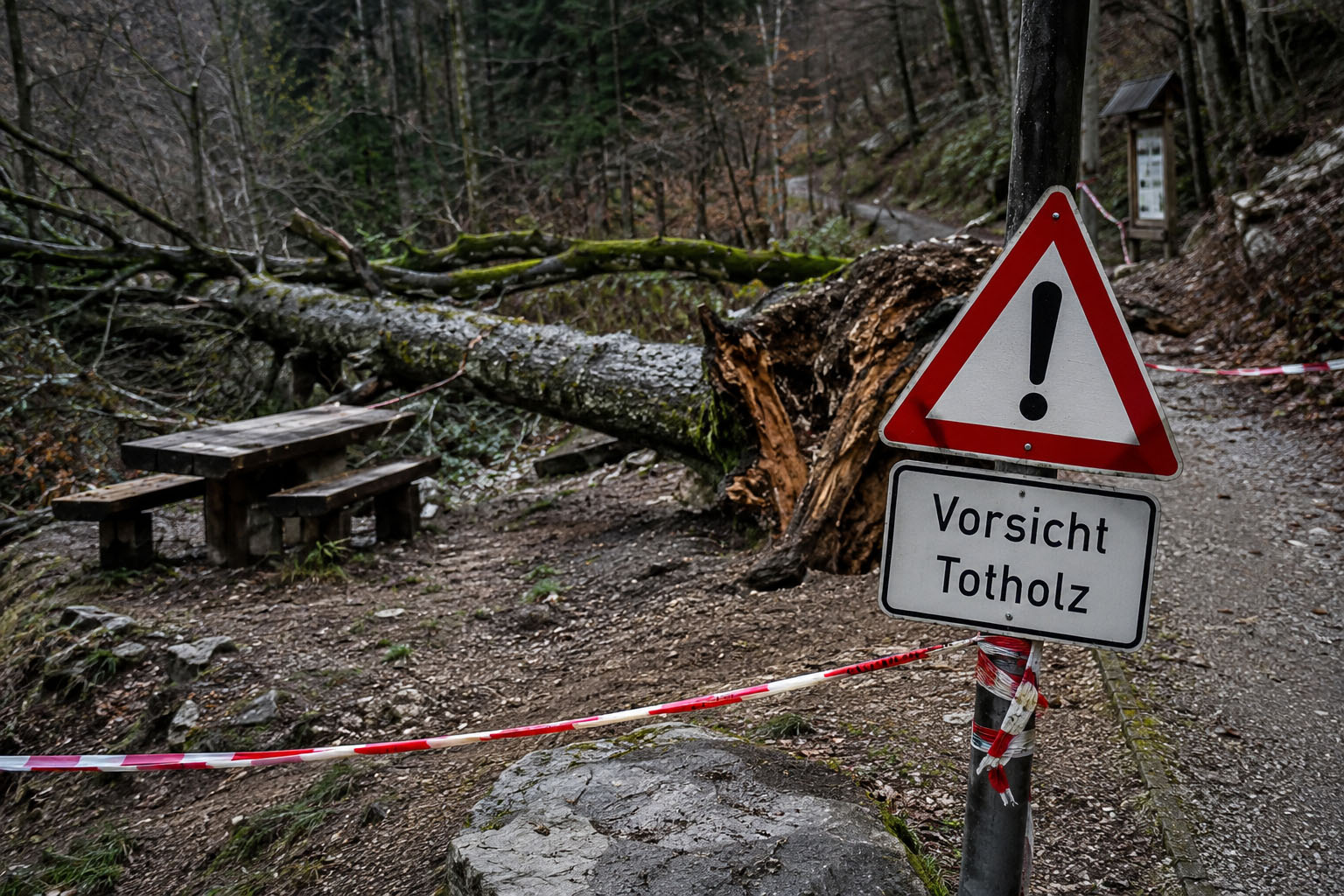
In 2020, a woman out walking in a forested area of the Veveyse district in the canton of Fribourg was struck by a falling tree. The accident left her permanently paraplegic. A lower court initially acquitted the forester responsible for that stretch of woodland, but the injured woman challenged that outcome. The Fribourg Cantonal Court reversed the decision, convicting the forester of negligent grievous bodily harm and sentencing him to a suspended fine of 20 daily penalty units. The court's reasoning struck at the heart of the forestry profession: along a heavily used nature trail, the court held, the forester should have inspected every individual tree or closed the path entirely. That standard has alarmed forestry professionals across Switzerland. Quentin Meyer, head of the La Saubrette forestry cooperative in the canton of Vaud, argues that no forest can ever be made completely safe, and that visitors must accept some personal responsibility when entering a natural environment. Meyer warns that if this ruling sets a precedent, the only realistic response may be to close vast numbers of hiking paths – an outcome he considers both impractical and contrary to Switzerland's tradition of open forest access. He also points to two compounding pressures: trees dying at accelerating rates due to climate change, and a surge in visitor numbers since the COVID-19 pandemic. Discussions are now underway in Vaud to establish clearer risk-management guidelines for forest operators.
关键事实
- In 2020, a tree fell on a hiker in the Veveyse district of Fribourg canton, leaving her paraplegic.
- A lower court initially acquitted the forester responsible for that section of forest.
- The injured woman appealed the acquittal.
- The Fribourg Cantonal Court convicted the forester of negligent grievous bodily harm.
- The sentence is a suspended fine of 20 daily penalty units.
- The court held that the forester should have inspected every tree along the heavily used nature trail or closed the path.
- Forestry professionals fear the ruling creates an unrealistic duty of inspection that could force widespread trail closures.
- Climate change is accelerating tree die-off, increasing the hazard foresters face.
- Forest visitor numbers have risen sharply since the COVID-19 pandemic.
- The canton of Vaud is in discussions to develop clearer forest risk-management guidelines.
The Forest in the Dock
The forester does not sit in the dock like a criminal. He sits there like someone who has spent his entire life counting trees and is now suddenly being counted himself.
In front of him lie files. Behind him lies forest.
The courtroom of the Freiburg cantonal court appears austere. Light wood, bare tables, computer screens. Yet through the open windows shines a summer that looks suspiciously peaceful. One could almost forget why one is sitting here. It is not about a murder, not about a robbery, not about intrigue. It is about a tree.
A single tree.
It had been silent for decades. It had provided shade, shed leaves, carried birds. Then one day it fell over and buried a woman's previous life under its weight.
Since then she has been in a wheelchair.
The tree is silent.
The judges must speak for it.
The injured party gazes calmly ahead. Those who do not know her notice first only the wheelchair. Only later does it become clear that this wheelchair is not the actual verdict—but rather its prehistory.
She had gone for a walk.
Not on a forbidden path. Not during a storm. Not in a night full of thunder.
A summer day.
An educational trail.
A picnic area.
Then the forest crashed down.
Such accidents are usually told with a single sentence: A tree fell.
But between "stood" and "fell" sometimes lie decades—and now several thousand pages of court documents.
The presiding judge speaks matter-of-factly.
"Was the tree recognizably dangerous?"
A simple question.
The forester barely lifts his head.
"A forest does not consist of individual trees."
The sentence hangs in the air.
An expert answers.
"In a place with particularly many visitors, every single tree must be assessed."
Every.
That small word sounds heavier than the trunk of a beech.
The defense paints a picture of a forest that can never be fully controlled.
One cannot manage a forest like a parking lot.
One cannot inspect millions of trees daily.
Nature remains nature.
It ages.
It dies.
It falls.
The prosecution responds equally calmly.
"This was not about just any forest."
It shows aerial photographs.
The picnic area.
The educational trail.
The bench.
Precisely there people linger.
Right there, special care must be taken.
The discussion changes.
Suddenly it is no longer the tree on trial.
Not even the forester.
On trial is the question of how safe nature must be at all.
The forester looks tired.
He knows nothing of headlines.
He knows beetles.
Drought.
Fungal infestation.
Storms.
For years more and more trees have been dying.
Climate change is accelerating what once took decades.
At the same time, more and more people are coming.
Since Corona they seek recreation in the forest.
The forester does not describe his daily work like a civil servant.
He describes it like a man working against time.
"You cannot look at every tree."
The sentence does not sound like an excuse.
More like a surrender.
The judges retire.
One waits.
Nobody speaks.
Only paper rustles.
When the verdict is pronounced, the room hardly changes visibly.
Guilty.
Negligent grievous bodily harm.
Twenty daily rates suspended.
No prison.
And yet no victor leaves the courtroom.
The woman remains paralyzed from the waist down.
The forester remains a forester.
Only his profession has become a different one.
Outside, the trees rustle.
They know nothing of statutes.
They know neither negligence nor duty to ensure public safety.
They grow.
They age.
They die.
And sometimes they fall.
But since this verdict, it is no longer just a tree that falls.
With it falls a decades-long certainty.
That the forest is a place where nature may write its own laws.
Now courts write alongside it.
Whether the final chapter has already been written will not be decided in this courtroom.
That will be determined by the Federal Court.
Until then the forest remains the same.
Only the view of it has changed.
深度分析
2020年7月9日,两名女性在瑞士弗里堡州沃韦州区勒弗隆市森林官方自然步道(sentier didactique)的野餐桌处休息时,一棵已死亡的山毛榉树倒下砸中其中一人,导致完全截瘫(腰部以下全身瘫痪)。伤者于2020年9月提起刑事控告。2026年7月,弗里堡州法院推翻一审无罪判决,以过失致重伤罪(fahrlässige schwere Körperverletzung)判处负责的林务员有罪。法院认定该树已死亡腐烂,位置在官方公众步道的野餐区正上方,通过仔细检查应能发现危险性。法院断定该区域应该被隔离、关闭或该树应被砍伐。判决为20日罚金,每日罚金180瑞郎,全部缓刑两年,不涉及监禁。林务员不接受判决,计划上诉至瑞士联邦最高法院,并得到弗里堡州支持。州议员Didier Castella公开表示,要求林务员承担不可能完成的检查责任是不合理的,因为一个典型地区有超过一百万棵树。本案涉及森林中公共安全义务(Verkehrssicherungspflicht)范围的根本性法律问题:国家是否必须使官方森林步道和休息区几乎完全没有风险,还是访客自身应承担一定程度的自然风险?媒体报道有时将判决概括为要求检查每条远足步道上的每棵树,但法院的推理似乎更为狭隘,仅聚焦于野餐区周围的特别敏感区域。联邦最高法院的判决可能会为瑞士各地政府部门和林业运营的检查职责、林务员的责任风险、步道关闭及成本设定具有约束力的先例,对许多其他国家的森林使用政策也具有参考意义。
时间线
本案的事件经过,从事发到法院最终裁决,按照法院自身陈述的顺序排列。
2020年7月9日
事件
两名女性在勒弗隆市森林官方自然步道(sentier didactique)的野餐桌处停留时,一棵已死亡的山毛榉树倒下砸中其中一人,导致完全截瘫。
2020年9月
侦查
伤者对身份不明人士提起刑事控告。侦查主要针对负责的林务员进行,有时也涉及一名市政官员。
判决书中日期不明确
一审
林务员在一审中被判无罪。
判决书中日期不明确
上诉
伤者对无罪判决提起上诉。
2026年7月
判决(州法院)
弗里堡州法院推翻无罪判决,以过失致重伤罪判处林务员有罪。判决为20日罚金,每日罚金瑞郎180元,全部缓刑两年。
待审——判决书中日期不明确
上诉(联邦最高法院)
林务员拒绝接受判决并计划向瑞士联邦最高法院提起上诉。弗里堡州支持此进一步上诉。州议员Didier Castella公开反对对林务员施加不可能的检查职责。
证据强度
每项证据在法院裁决理由中所占的分量——柱状越长、颜色越深,表示法院在做出裁决时对该证据的依赖程度越高。这反映的是法院自身的裁决理由,而非对案件的独立评价。
官方自然步道上指定野餐区正上方有已死亡腐烂的树木
95/100危险状况可通过仔细检查识别
80/100林务员未对该区域采取任何安全措施(围栏、关闭、砍伐)
75/100伤害的严重性(完全截瘫)证实了身体伤害的严重程度
60/100相关人员
判决书中提到的人物及其各自扮演的角色,例如被告、证人或专家。
判决书中身份不明确
被告/有罪方 · 弗里堡州沃韦州区勒弗隆市林区负责的林务员(Förster)
判决书中身份不明确
受害者/民事请求人/上诉人 · 使用官方自然步道的普通公众成员
判决书中身份不明确
事件发生时的证人/同行者 · 事件发生时在野餐区的第二名女性
判决书中身份不明确
侦查过程中的相关人士 · 市政官员(Gemeindeverantwortlicher)
Didier Castella
进一步上诉的政治支持者 · 弗里堡州州议员(Staatsrat)
法院做出此判决的原因
法院对其裁决所陈述的理由,按判决书中出现的顺序列出——并非按法律重要性排序,仅是陈述顺序。
- 已死亡腐烂的树木位于指定野餐区正上方,游客被明确邀请在该区域休息,因此该特定区域产生了加重的注意义务
- 法院认定该树显然已死亡且腐烂,通过仔细检查应能识别其危险性
- 负责的林务员未能在该高人流区域采取保护、关闭或砍伐已死树的措施
- 法院认定野餐地点周围区域构成需要积极采取安全措施的特别敏感区,而非对森林中每棵树进行巡查的普遍义务
- 该位置位于官方自然步道旁边,进一步提高了公众存在的可预见性以及相应的注意义务
常见问题
这个案件发生了什么?
2020年7月9日,一名女性坐在瑞士弗里堡州勒弗隆市森林官方自然步道上的野餐桌处,一棵已死亡的山毛榉树倒下砸中她。她遭受完全截瘫。后来她提起刑事控告,一审无罪判决被推翻后,负责的林务员在2026年7月被判过失致重伤罪。
谁被判有罪,罪名是什么?
负责的林务员(Förster)被弗里堡州法院在2026年7月判处过失致重伤罪(fahrlässige schwere Körperverletzung)。
法院判处了什么刑罚?
法院判处林务员20日罚金,每日罚金180瑞郎,全部缓刑两年。这意味着不需要监禁。
瑞士刑法中的日罚金(Tagessatz)是什么?
日罚金是瑞士刑法中使用的金钱处罚单位。单位数量反映了犯罪的严重程度,而每个单位的金额根据犯罪人的财务状况调整。本案中判处20日罚金,每日罚金瑞郎180元,共计瑞郎3600元,但该判决被缓刑。
判决缓刑是什么意思?
缓刑意味着被判者无需支付罚金,前提是他们遵守条件——这里是两年的缓刑期——且不再犯罪。如果他们违反条件,缓刑可能被激活。
为什么林务员被认定有责任?
根据法院的认定,山毛榉树已死亡腐烂,通过仔细检查应能识别其危险性。该树位于官方公众步道上野餐区正上方,游客被明确邀请在那里停留。法院认定该区域应该被隔离、关闭或该树应被砍伐。
一审的结果是什么?
在一审中,林务员被判无罪。伤者对该无罪判决提起上诉,弗里堡州法院推翻了无罪判决,导致有罪判决。
本案中心的法律职责是什么?
中心法律概念是Verkehrssicherungspflicht——在向公众开放的区域内确保公共安全的义务。本案引发了一个问题:该义务在林区延伸的范围有多远,特别是在官方步道上的指定休息地点。
判决是否意味着要检查每条远足步道上的每棵树?
根据法院自身的推理,答案是否定的。媒体报道有时以这种方式概括判决,但法院的分析似乎更为狭隘,仅聚焦于野餐区周围的区域——游客被特别邀请停留的地点。
野餐区的位置在法律上为什么重要?
法院的推理表明,一个公众被明确邀请停留的地点相比普通路径产生了加重的注意义务。坐在野餐桌上的游客是静止的,更容易受到头顶危险的影响,对该地点的邀请意味着管理部门提供了一定程度的安全保证。
案件最终定论了吗?
否。林务员表示打算向瑞士联邦最高法院(Bundesgericht)提起上诉,弗里堡州已公开声明支持该上诉。因此根据现有信息,案件尚未最终定论。
弗里堡州为什么支持林务员的上诉?
州议员Didier Castella公开表示,在一个典型地区有超过一百万棵树的情况下,要求林务员履行检查职责是不合理且不切实际的。该州似乎认为判决施加的职责是过度的。
联邦最高法院可能会设立什么样的先例?
联邦最高法院的判决可能为林务员的检查职责、公众步道上Verkehrssicherungspflicht的范围、市政当局和各州的责任风险敞口建立具有约束力的全国标准,以及访客是否应承担自然区域内的固有风险程度。它还可能影响瑞士各地步道关闭和林业管理成本的政策。
本案在瑞士以外可能产生什么影响?
本案因其涉及公共安全义务与森林自然特征之间的张力而具有参考意义,这个问题在许多管理公开林地步道的司法管辖区都是常见的。
受害者遭受了什么伤害?
受害者遭受完全截瘫——腰部以下全身瘫痪的完全脊髓损伤——当已死亡的山毛榉树倒下砸中她时。
刑事诉讼如何开始的?
伤者于2020年9月对身份不明人士提起刑事控告。随后的侦查主要针对林务员进行,有时也涉及一名市政官员。
最终是否有任何市政官员被控告或判有罪?
总结表明市政官员一度成为侦查的焦点,但所述的判决仅涉及林务员。判决书中未提及对市政官员的任何有罪判决。
造成伤害的是什么树,这为什么重要?
该树是一棵已死亡的山毛榉树(Rotbuche)。法院认定它已腐烂,通过仔细检查应能识别其危险状况。树种的相关性在于,从林业角度讲,已死亡的山毛榉树结构完整性会相对快速丧失,这与危险的可预见性有关。
本案引发了什么更广泛的政策辩论?
本案提出了一个根本性问题:国家是否必须使官方森林步道和休息区几乎完全没有风险,还是在自然环境中访客应承担一定程度的固有风险。其结果将影响瑞士如何平衡对森林的公众获取权与安全义务以及合规的实际和财务成本。
事故确切地发生在哪里?
事故发生在弗里堡州沃韦州区勒弗隆市森林官方自然步道(sentier didactique)上。
法院似乎期望林务员采取什么实际措施?
根据法院的认定,期望的措施是保护该区域、对公众关闭或砍伐已死亡腐烂的树——特别是考虑到其位于野餐区正上方、位于官方步道上、游客被邀请停留的位置。
林务员是否除刑事判决外还可能面临民事责任?
判决摘要仅涉及刑事诉讼。是否已提起或将提起民事赔偿诉讼在判决摘要中不明确。
为何重要
The ruling raises the standard of care expected of foresters to a level that critics argue is unachievable in practice, potentially setting a precedent that could force the closure of public hiking paths across Switzerland. It brings into sharp focus the tension between the right to open forest access and the legal liability that comes when accidents occur in uncontrollable natural environments. The case is prompting Switzerland's forestry sector to push for clearer statutory guidelines on what constitutes adequate risk management.
信息来源
Share of negligent offences in Switzerland
Where do most accidents happen in Switzerland?
After the Verdict – Reflections
People always ask how a verdict could have been prevented. The same question is asked of a roof after it has collapsed, of a ship after it has sunk, or of a person after their heart has stopped beating. Rarely does anyone ask it beforehand.
The forester might have been able to examine every tree. He might have tapped every trunk with a small hammer, scrutinized every crown through binoculars, had every rotten branch felled. Then perhaps this tree would not have fallen.
But perhaps another one would have.
Because the forest is not a clockwork mechanism. It is older than all statutes and will outlive them.
One asks how the forester could have reduced his punishment.
Perhaps he should have wept.
Courts do not love tears, but they do not distrust them either. A man who says: "I did everything correctly" sometimes insults the victim's pain, even though he speaks the truth. But a man who says: "I will never forget this woman" does not speak about guilt, but about humanity. And sometimes humanity weighs more in court than logic.
One questions his lawyer.
The lawyer defended the forester.
Perhaps he should have defended the human being.
He spoke of forest management, of professional guidelines, of natural hazards, of dead beeches and duty to ensure public safety. Everything was right. Everything was reasonable.
Only one thing was missing.
The woman.
In court, one must never forget that at the beginning of every file stands a human being. Judges rule according to laws. But they listen to stories first.
Perhaps the defense should have said:
"My client meant this woman no harm. He will carry the day of her misfortune with him for the rest of his life. He does not ask the court for pity. He only asks not to be held almighty. He became a forester because he loves trees. Not because he rules over them."
Perhaps this sentence would have changed nothing.
Perhaps everything.
And finally one asks about the judge.
Was he strict?
Was he unjust?
Was he driven by the spirit of the times?
No.
He was a judge.
Judges rarely judge only about the person before them. They always judge also for those who come tomorrow.
Fifty years ago, perhaps the tree would have been guilty.
Today one looks for the responsible party.
Tomorrow perhaps one will ask the legislator.
Thus guilt wanders through time like a lonely wanderer through the forest.
And the forester?
He will walk among the beeches again.
But from now on, every dead branch he hears crack above him will no longer sound merely of wood.
It will sound like a verdict.