お金 · アンドラ · La Batllia (Andorran first-instance court)
The Banking Palace Fell — And With It a Myth: Andorra's Trial of the Century Over the BPA
After nine years and 195 days of oral hearings, an Andorran court has handed down a sweeping 6,180-page judgment convicting 18 former executives of Banca Privada d'Andorra for laundering €70 million linked to a Chinese business group. The ruling closes the first criminal chapter of a scandal that shook a small nation's entire banking sector.
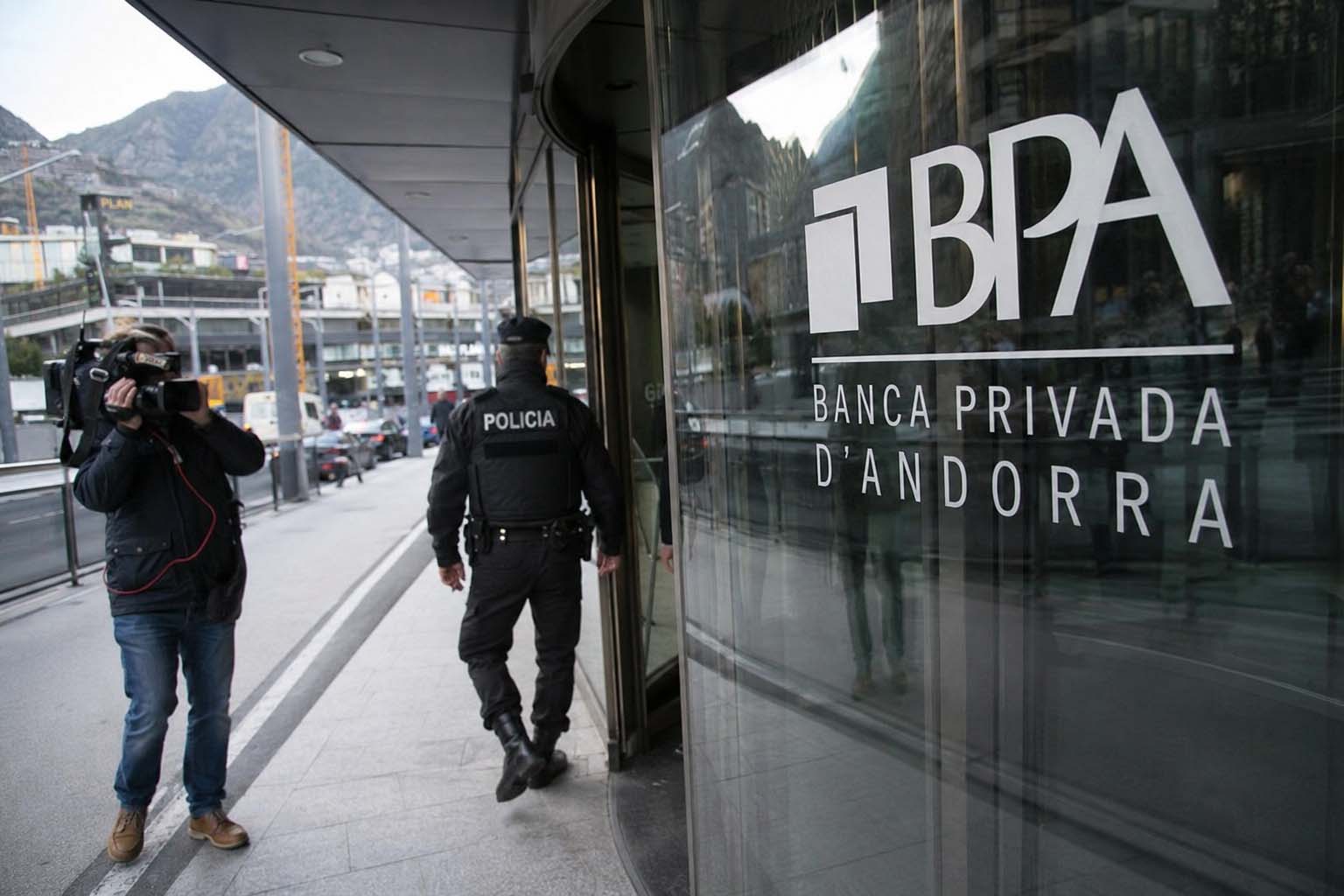
Tiny country. Enormous bank.
Nine years after investigators first opened their files, the Batllia — Andorra's first-instance court — published a judgment running to 6,180 pages and convicting 18 former executives of Banca Privada d'Andorra (BPA) of aggravated money laundering. At the centre of the ruling stands Joan Pau Miquel, the bank's CEO from 2007 until his arrest in 2015, who received the harshest sentence: seven years in prison, a €30 million fine, and a ten-year ban from holding any role in a financial institution. Miquel had spent roughly 22 months in pre-trial detention and maintained his innocence throughout. Behind him in the sentencing hierarchy sit executives including Santiago de Rosselló, the former compliance officer, condemned to six years and a €12 million fine, and Isabel Camino, Amaya de Santiago, and Sergi Fernández, each facing five-year terms and comparable financial penalties. The court found all 18 guilty of the same core charge: habitual money laundering carried out within a banking institution, specifically tied to the laundering of €70 million originating from the Chinese Gao Ming group. Of 24 people tried across 195 hearing days averaging six hours each, six were acquitted; sentences for the rest range from three-and-a-half to seven years, several suspended conditionally for four years, and four foreign nationals also face expulsion from the Principality for a decade. The case traces back to March 2015, when the US Treasury's FinCEN unit flagged BPA as a vehicle for international corruption networks, triggering the bank's immediate takeover by Andorran authorities and the creation of Vall Banc to absorb its clean assets. The article also notes that, over time, the origins of the American report have been linked to an alleged Spanish intelligence operation — known as Operació Catalunya — in which Spain is said to have used diplomatic and political channels to obtain compromising financial data on Catalan independence leaders.
重要な事実
- 18 of 24 defendants were convicted; 6 were acquitted.
- Joan Pau Miquel, former CEO, received 7 years in prison, a €30 million fine, and a 10-year financial-sector ban.
- All convictions are for aggravated money laundering within a banking institution, marked by habitual conduct.
- The laundering involved €70 million linked to the Chinese Gao Ming group.
- The judgment runs to 6,180 pages and follows 195 days of oral hearings.
- Prison sentences range from 3.5 to 7 years; several are conditionally suspended for 4 years.
- Four foreign defendants were also ordered expelled from Andorra for 10 years.
- BPA collapsed in March 2015 after a US FinCEN report accused it of facilitating international money laundering.
- Vall Banc was created to absorb BPA's healthy assets after the state takeover.
- The case has been linked to the alleged Spanish intelligence operation known as Operació Catalunya.
The Collapse of the Silent Bank
There are countries so small that one might assume their secrets must be equally diminutive. Andorra is one of them. Wedged between the Pyrenees, cradled by mountains like a child beneath a blanket, the principality lived for decades on the notion that discretion was a virtue. Money arrived silently, remained polite, and disappeared again over the mountain passes, asking no questions. This was called stability. Only when one day men in suits carried files like gravediggers carry their shovels did it become clear that silence also earns interest. Behind the polished counters of Banca Privada d'Andorra, not only fortunes had accumulated, but stories whose origins no one wished to examine too closely. A place where bank employees were once regarded as keepers of trust became overnight a crime scene of international finance.
The trial dragged on longer than some governments endure. For seven years, documents filled shelves, lawyers changed places, and defendants waited for the sentence that would divide their previous lives into a before and after. In the end, the Tribunal de Corts imposed 84 years of imprisonment, of which 29 were unconditional, levied fines of nearly 66 million euros, and found 18 of the 24 defendants guilty. Numbers possess a peculiar coldness. They explain what happened, but never why people believed they could make an entire financial system stop looking.
No revolutionaries stood before the courthouse. There stood former bankers, lawyers, journalists, and onlookers. Some nodded approvingly, others shook their heads. In the cafés, people spoke less about legal codes than about betrayal. Was it betrayal of the law? Betrayal of a country? Or had Andorra itself paid the price for a business model that for decades was celebrated as a success, as long as no one asked where the money came from? Perhaps that is precisely where the tragedy of this trial lies. The judges ruled on accounts and transactions. But the country ruled on itself.
詳細分析
BPA/ガオ・ピン事件はアンドラ史上最大の経済刑事事件である。2008年から2011年にかけて、中国人実業家ガオ・ピンに関連する約7000万ユーロがバンカ・プリバダ・デ・アンドラ(BPA)を通じてマネーロンダリングされたという容疑に関するものである。2018年1月に開始された手続は2025年7月15日にコルツ裁判所による判決で終了し、7年以上の期間を要した。24人の被告人が起訴され、18人が有罪、6人が無罪となった。総刑期は84年(執行29年、執行猶予55年)、罰金約6580万ユーロ、職業禁止期間135年である。検察は141年の懲役、832万ユーロの罰金、240年の職業禁止を求めていた。最も著名な有罪判決者はBPA前最高経営責任者ジョアン・パウ・ミケル で、7年の懲役、3000万ユーロの罰金、10年の職業禁止を言い渡された。判決はまだ最終的ではなく、上級裁判所への控訴権が保持されている。事件はアンドラで激しい公開討論を引き起こし、ホワイトカラー犯罪に対する正義と見なす者、政治的干渉と司法独立の疑問を主張する者、スペイン情報機関によるBPA破壊の指摘をする者、および脱税ではなくマネーロンダリングと判断する小規模グループに意見が分かれている。
タイムライン
この事件の経過を、出来事から裁判所の最終判断まで、裁判所自身が示した順序で示したものです。
2008~2011年
違法行為の疑い
中国人実業家ガオ・ピンに関連する約7000万ユーロがBPAを通じてマネーロンダリングされたと検察が主張している。
2018年1月
裁判開始
コルツ裁判所において24人の被告人に対する刑事手続が開始された。
日付不明
保釈前勾留
BPA前最高経営責任者ジョアン・パウ・ミケルが判決前または手続中に22ヶ月の保釈前勾留を受けた。
2025年7月15日
判決
コルツ裁判所が判決を言い渡した。18人が有罪、6人が無罪。刑期総計84年、罰金約6580万ユーロ、職業禁止期間135年。
日付不明
控訴
判決はまだ最終的ではない。すべての有罪判決者は上級裁判所に控訴する権利を有する。
証拠の強さ
各証拠が裁判所の判断理由の中でどれだけ重視されたかを示します。バーが長く濃いほど、その証拠が判決においてより重視されたことを意味します。これは裁判所自身の判断理由を反映したものであり、事件についての独自の評価ではありません。
財務取引記録(ガオ・ピンのネットワークに関連するBPAを通じた7000万ユーロ)
90/100上級銀行経営陣の行為(最高経営責任者、副支配人)
85/100AMLコンプライアンスの不備(AML責任者、AML委員会メンバー)
75/100関係マネージャーによるクライアント対応の行為
65/100関係者
判決文に登場する人物と、それぞれが果たした役割です(例:被告人、証人、専門家など)。
Joan Pau Miquel
被告人(有罪判決) · バンカ・プリバダ・デ・アンドラ(BPA)前最高経営責任者
Santiago de Rosselló
被告人(有罪判決) · BPA副支配人
Isabel Camino
被告人(有罪判決) · BPAマネーロンダリング防止部門長
Amaya de Santiago
被告人(有罪判決) · BPAクライアント・マネージャー
Sergi Fernández
被告人(有罪判決) · BPAマネーロンダリング委員会メンバー
Gao Ping
参照される個人(被告人ではない) · 中国人実業家
Higini Cierco
参照される個人(被告人ではない) ·
Ramon Cierco
参照される個人(被告人ではない) · BPA所有者(公開解説で参照)
裁判所がこの判断をした理由
裁判所が判決の理由として挙げた事項を、判決文に記載された順序で示しています。法的重要度による順位付けではなく、単に記載順です。
- 2008年から2011年にかけてBPAを通じた約7000万ユーロのマネーロンダリング。中国人実業家ガオ・ピンのネットワークに関連。
- 違法な資金フローを防止または報告しなかった銀行経営陣およびコンプライアンス機能の不備(関係する職務:最高経営責任者、副支配人、マネーロンダリング防止責任者、クライアント関係マネージャー、AML委員会メンバー)。
- 複数の銀行従業員が様々な階級レベルでマネーロンダリング計画の促進に積極的に参加したこと。
- 複数年にわたるBPA内の内部統制に関する体系的制度上の障害。
よくある質問
アンドラのBPA/ガオ・ピン事件とは何か?
BPA/ガオ・ピン事件はアンドラ史上最大の経済刑事事件である。2008年から2011年にかけて、中国人実業家ガオ・ピンに関連する約7000万ユーロがバンカ・プリバダ・デ・アンドラ(BPA)を通じてマネーロンダリングされたという容疑に関するものである。24人の個人が起訴され、2018年1月に開始された手続はコルツ裁判所で2025年7月15日に判決が下された。
2025年7月15日のBPA裁判の判決の結果は何か?
コルツ裁判所は18人の被告人を有罪とし、6人を無罪とした。総刑期は84年(無条件29年、執行猶予55年)、約6580万ユーロの罰金、合計135年の職業禁止である。
ジョアン・パウ・ミケルは誰であり、どのような判決を受けたか?
ジョアン・パウ・ミケルはBPA前最高経営責任者である。裁判での最も著名な有罪判決者である。裁判所は彼に7年の懲役、3000万ユーロの罰金、10年の職業禁止を言い渡した。判決前に22ヶ月の保釈前勾留を受けていた。
BPA事件の被告人に対して何の容疑が提起されたか?
被告人らは2008年から2011年にかけてBPAを通じた約7000万ユーロのマネーロンダリングと関連する容疑で起訴された。当該資金は中国人実業家ガオ・ピンに関連するものであると主張されている。
BPA裁判はどのくらいの期間続いたか?
手続は2018年1月に開始され、判決は2025年7月15日に下された。7年以上の期間にわたるものである。
その他の著名な被告人はどのような判決を受けたか?
副支配人サンティアゴ・デ・ロセリョは6年、罰金1200万ユーロ、職業禁止10年を受けた。マネーロンダリング防止責任者イサベル・カミノ、クライアント・マネージャーアマヤ・デ・サンティアゴ、およびマネーロンダリング委員会メンバーセルジ・フェルナンデスは各々5年、罰金500万ユーロ、職業禁止10年を受けた。
その他の有罪判決者はどのような判決を受けたか?
事件の概要によれば、その他の有罪判決者は主に執行猶予判決、15000ユーロから200万ユーロの範囲の罰金、および場合によっては10年の国外退去命令と職業禁止を受けた。
検察が求めた判決と裁判所が課した判決の違いは何か?
検察は141年の懲役、832万ユーロの罰金、240年の職業禁止を求めていた。裁判所は総刑期84年(無条件29年)、約6580万ユーロの罰金、135年の職業禁止を課した。これは検察の要求よりも著しく軽い。
BPA判決は最終的であるか?
いいえ。判決はまだ最終的ではない。すべての有罪判決者は上級裁判所に控訴する権利を有する。
Higini CiercoとRamon Ciercoはなぜ被告人に含まれていないのか?
事件の概要は、銀行所有者であるHigini CiercoとRamon Ciercoがなぜ被告人に含まれていないのかについての公開的な疑問が残っていることを指摘している。判決文はこれについての説明を提供していない。詳細な説明も判決文に記載されていない。
ガオ・ピンは誰であり、BPAとの関係は何か?
ガオ・ピンは事件では中国人実業家と説明されている。容疑は約7000万ユーロ(彼に関連するとされる)が2008年から2011年にかけてBPAを通じてマネーロンダリングされたことを中心としている。裁判所によって確立されたこの関係を超えた彼の正確な役割は、提供された事件の概要には詳述されていない。
BPA判決を下した裁判所はどこか?
判決はアンドラの関連刑事裁判所であるコルツ裁判所によって下された。
判決そのもの以上のBPA事件を取り巻く論争は何か?
事件の概要は複数の公開討論のテーマを特定している。ホワイトカラー犯罪に対する遅れた正義と見なす者、政治的干渉を主張し司法独立に疑問を呈する者、スペイン情報機関がBPA破壊を画策したと主張する者、および行為は脱税のみでマネーロンダリングではないと主張する小規模グループが存在する。また、かなりの罰金が実際に徴収されるかどうかについての疑問も存在する。
BPA事件では何人の被告人が起訴され、有罪・無罪判決の総数はいくつか?
24人の個人が起訴された。裁判所は18人を有罪、6人を無罪とした。
BPA事件がアンドラの法制史において持つ意義は何か?
事件はアンドラ史上最大の経済刑事事件として説明されている。これは被告人数、手続期間、関係する金額、および課された刑罰の観点から言える。
被告人は保釈前勾留を受けたか?
はい。事件の概要は特にBPA前最高経営責任者ジョアン・パウ・ミケルが判決前に22ヶ月の保釈前勾留を受けたと記録している。その他の被告人も保釈前勾留を受けたかどうかについては概要に詳述されていない。
有罪判決者が懲役刑以外に受けた職業的な結果は何か?
有罪判決者は全被告人合計135年の職業禁止期間に直面し、場合によっては10年の国外退去命令を受けた。上級職員は各々10年の職業禁止を個別に受けた。
BPA事件における罰金が支払われるかについての懸念があるか?
はい。事件の概要は、かなりの罰金が実際に徴収されるかどうかについての公開的な疑問が判決後も残っていることを指摘している。これは未解決の問題として特定されている。
BPA事件に関連するスペイン情報機関についてはどのような主張がされたか?
事件の概要によれば、一部の当事者がスペイン情報機関はBPA破壊を画策したと主張している。これは事件を取り巻く公開討論のテーマの1つと説明されている。裁判所がこの主張に対処したか、あるいは所見を出したかについては提供された概要に明白には記載されていない。
BPAを通じたマネーロンダリングの疑いはどの期間をカバーしているか?
ガオ・ピンに関連するBPAを通じたマネーロンダリングの疑いは2008年から2011年にかけての期間を対象としており、約3年間である。
BPA事件で課された総財政罰金はいくらか?
全有罪判決者に課された罰金の合計は約6580万ユーロである。
BPAでの行為の性質についてマネーロンダリングとは異なる主張をした観察者はどのような議論をしたか?
事件の概要は、より小規模な観察者グループが関連する行為は脱税のみであってマネーロンダリングではないと主張したことを指摘している。これは裁判所の所見ではなく、周囲の公開討論における1つの立場として特徴付けられている。
重要な理由
This is the first major criminal judgment in the BPA affair, one of the longest and most complex cases in Andorran legal history, establishing criminal accountability for systemic money laundering within a licensed bank. The ruling sets a precedent for how Andorra prosecutes financial crime at the executive level and underscores the real-world consequences of FinCEN designations for foreign banks. The case also carries geopolitical weight, given ongoing allegations that the original US report was weaponised as part of a Spanish state intelligence operation targeting Catalan independence figures.
情報源
Defendants vs. Convicted vs. Acquitted
Unconditional vs. conditional imprisonment
After the verdict, the real question remains
Verdicts are the closing point of a court. For a reporter, they are usually the beginning of a story. For no judge convicts a bank. Judges convict people. A bank possesses neither conscience nor greed. It knows no morality and no temptation. It is nothing more than a building full of rules, forms, computers, and people. When it lands in court, it is because those people decided to bend rules, ignore warnings, or stop asking questions.
The BPA trial is therefore far more than the story of a few former bank managers. It is the story of a culture of turning away. Money possesses a peculiar power. It demands no explanations. It does not speak. It does not object. It arrives, is counted, and disappears again. But eventually, every money flow begins to pose questions. Not to the customer, but to the bank. Where does this wealth come from? Why is cash being moved in unusual amounts? Why do transactions flow through companies whose economic purpose is obscure? Why do beneficial owners change as frequently as other people change their shirts?
The greatest defense of any bank has always been: We complied with the law. This is a sentence that seems reassuring at first glance. But laws are not walls; they are minimum standards. Between what is permitted and what would be responsible, there is often a wide space. International financial centers in particular thrive on interpreting this space as generously as possible. As long as no scandal emerges, this is considered business acumen. Only when investigators gather files does this same generosity transform into the suspicion of systematic negligence.
Could BPA have prevented this trial? Probably not once the first suspicions took concrete form. But it could have prevented the trial from being necessary at all. Every modern bank has instruments designed precisely for such situations: consistent identification of beneficial owners, comprehensive documentation of unusual transactions, reporting to the competent authorities, independent compliance departments with genuine decision-making authority, and above all, a corporate culture in which a lucrative customer is not more important than a clean conscience. Such systems cost money. Trials like this ultimately cost far more.
What is particularly instructive here is not the severity of the sentences, but the duration of the proceedings. Seven years of trial means millions of pages of paper, countless days of hearings, and a country that had to grapple with its own past for nearly a decade. The real damage did not occur first with the verdict. It occurred in the moment when trust disappeared. Banks live by trust as bridges live by their pillars. One only notices their importance when one begins to give way.
And one more thing this trial reveals. Major financial scandals rarely begin with spectacular crimes. They begin with small exceptions. A form is filled out late. An unusual payment seems plausible enough. A customer is too important to lose. A supervisor looks the other way. An exception becomes a habit. A habit becomes a system. And eventually, that system sits in the dock.
The story of BPA is therefore not a distinctly Andorran affair. It could just as easily have begun in Zurich, Luxembourg, Singapore, London, or New York. The financial center may have been small; the temptations were the same as anywhere in the world. Anyone who sees in this verdict merely the downfall of a few bankers misses the actual finding. What sat on the defendants' bench in the end was not just a bank. There sat the dangerous illusion that economic success could be permanently more important than careful oversight. This illusion has outlived many institutions. But some have not survived it.