犯罪 · オーストリア · Landesgericht Feldkirch (Feldkirch Regional Court)
"I'm Not Your Brother": Judge Rebukes 'Bro' Remark as Alleged Robbery Case Ends in Acquittals
A robbery trial in Feldkirch, Austria, unraveled spectacularly when the alleged victim changed his story on the stand and dismissed the judge's scepticism with a breezy 'All good, bro' — prompting the visibly irritated judge to snap back: 'I am not your brother!'
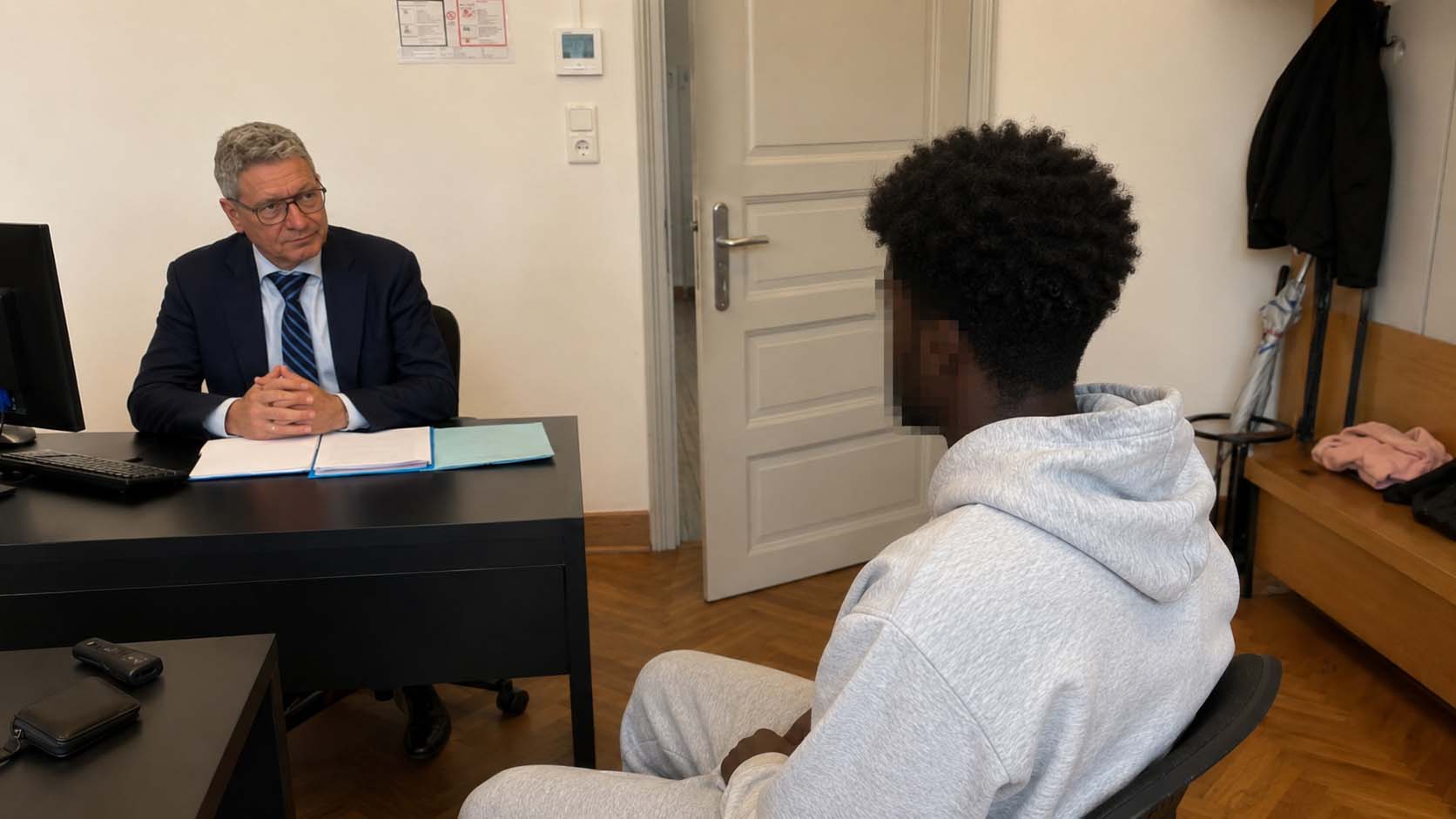
'Bro': The Feldkirch Regional Court as a theater stage.
It started as a straightforward robbery case: two Somali men were accused of luring a man from a betting shop in Dornbirn into a dark alleyway in late January, on the pretext of changing money, then taking a 100-euro note from him by force. Security footage confirmed the three men left the venue together that night, but the actual alleged assault happened off camera — and from there, the case fell apart piece by piece. The defendants offered a starkly different account, claiming the encounter was nothing more than a small cannabis deal worth 20 euros, with the alleged victim owing money. Then the alleged victim himself took the stand and promptly contradicted his own police statement, suddenly insisting the second defendant was actually a friend who had stepped in to mediate. Judge Elias Klingseis confronted him directly with the contradictions, making clear he wasn't buying the story — only for the witness to shrug it off with 'All good, bro.' The judge, visibly annoyed, cut him off: 'I am not your brother.' Even the prosecutor conceded the witness had 'certainly not told the whole truth,' though she noted that was hardly unusual in drug-related matters. With the robbery charge unsustainable, both defendants were acquitted. However, the first defendant — who had prior convictions — was separately found guilty of unlawful possession of narcotics, fined 600 euros, and had the probation period of an earlier suspended sentence extended to five years. Both verdicts are final.
重要な事実
- Two Somali men were charged with robberly theft allegedly committed in late January in Dornbirn, Austria.
- The alleged victim's account changed significantly between his police statement and his court testimony.
- The defendants claimed the encounter was a 20-euro cannabis deal, not a robbery.
- Security footage showed the three men leaving the betting shop together but did not capture the alleged offence.
- The witness addressed Judge Klingseis as 'Bro,' prompting a sharp rebuke from the bench.
- The prosecutor acknowledged the witness had likely not told the full truth.
- Both defendants were acquitted of the robbery charge.
- The first defendant was convicted of unlawful drug possession and fined 600 euros.
- The first defendant's probation period from a prior suspended sentence was extended to five years.
- All verdicts are legally final.
The Man Who Called the Judge 'Bro'
There are court proceedings in which the verdict seems to vanish long before the judge's ruling. Not because the law has failed, but because the truth has changed its clothes along the way and finally appears in a form that no one recognizes anymore.
In Feldkirch, two men stood before the court. The prosecution told of a nighttime robbery: a betting parlor, a hundred-euro note, a dark side alley, and violence. It was a story the way files love them – straightforward, orderly, with a clear beginning. Yet stories that work on paper sometimes lose their footing outside the files.
The surveillance cameras proved to be conscientious witnesses. They saw three men leaving a bar together. Nothing more. Cameras observe movements, not intentions. They know paths, but not motives. Precisely where criminal law begins, their language often ends.
The defendants told a different story. No robbery, they said. Just a failed deal over some cannabis worth barely twenty euros. A small dispute among men who met one night and wanted nothing to do with each other by morning.
The most important witness seemed to know every version – except his own. What had been true yesterday suddenly looked different today. A burdened witness became almost a friend. A co-defendant became a mediator. The sentences changed direction with an ease that left the judge bewildered.
Finally, the presiding judge laid down reason's last card on the table.
'This story, I don't buy it.'
The witness smiled as if he were not in a courtroom but on a street corner.
'All good, Bro.'
It was just a single word. Short enough to be overlooked, yet long enough to make visible the distance between court and street. The judge replied coldly:
'I am not your brother.'
Perhaps there was more in that sentence about our time than in the many pages of investigative files. The court demands distance, language, and accountability. Everyday life increasingly answers with familiarity, slang, and indifference.
In the end, not enough remained of the grand accusation of armed theft. Doubt in criminal law is not a weakness but a protection. Where facts can no longer be distinguished from narratives, no conviction may stand. Both defendants were therefore acquitted.
Only one secondary matter remained. One of the men was convicted of illegal drug possession and sentenced to a fine. The grand proceeding shrank into a small offense – like a thunderstorm that in the end leaves only a few raindrops behind.
Those who left the courtroom probably didn't take the legal niceties home with them. What remained in memory was that brief exchange between a judge who insisted on dignity and a witness who wanted to bridge formality with a casual 'Bro.' Sometimes a single word tells more about an era than an entire trial.
詳細分析
オーストリアのフェルトキルヒ地域裁判所で、ソマリア国籍の男性2人が強盗罪(räuberischer Diebstahl)で裁判にかけられました。被告人らは1月下旬、ドルンビルンの賭博場から暗い路地裏に被害者を誘い出し、両替という名目で100ユーロの紙幣を力ずくで奪ったとされています。両被告は強盗を完全に否定し、代わりに20ユーロの大麻取引であり、被害者がまだ金銭を返していないと主張しました。事件は被害者の証言にほぼ全く依存していましたが、利用可能な映像証拠は3人が賭博場を一緒に立ち去ったことだけを確認し、暴力行為そのものは記録されていません。主要証人は裁判で以前の警察陳述と矛盾することで信用性を著しく損なわせました。特に、第2被告と友人であり、その被告が仲介者として機能したと突然主張しましたが、これは警察への従前の陳述と直接矛盾しています。エリアス・クリングセイス判事は被害人の改正された説明を信じていないと明示的に述べました。判事が「その話は信じられない」と言ったところ、被害人が「大丈夫、兄貴」と返答し、判事が「俺はお前の兄じゃない!」と厳しく返答した注目すべき法廷での交錯がありました。疑わしきは被告人の利益にという原則(in dubio pro reo)を適用して、裁判所は両被告を強盗罪で無罪としました。これは両被告の無実を確信したからではなく、証拠が必要な証明の基準を満たしていないためです。客観的証拠は不十分であり、唯一の有罪証拠である証人は信用できないと判断されました。しかし、先行する有罪判決を持つ第1被告は拡大された罪状に直面しました。麻薬無許可所持で有罪判決を受け、600ユーロの罰金を科され、従前に科された執行猶予期間は5年に延長されました。全判決は法的に最終的です。
タイムライン
この事件の経過を、出来事から裁判所の最終判断まで、裁判所自身が示した順序で示したものです。
1月下旬(正確な日付は明記されていない)
犯行
所謂強盗:被害者はドルンビルンの賭博場から両替という名目で暗い路地裏に誘い出され、100ユーロの紙幣を力ずくで奪われたとされています。
日付不明
捜査
警察による捜査が実施されました。被害者は警察に陳述を行い、主に第2被告を主要な加害者として関連付けました。当該地域からの映像記録を確認し、3人が賭博場を一緒に立ち去ったことだけが確認されました。
日付不明
起訴
両被告は強盗罪(räuberischer Diebstahl)で起訴されました。第1被告に対する罪状は後に麻薬無許可所持を含むように拡大されました。
日付不明
裁判
エリアス・クリングセイス判事の前でランデスゲリヒト・フェルトキルヒで裁判が開催されました。両被告は強盗を完全に否定し、相互作用は20ユーロの大麻取引であり、被害者がまだ金銭を返していないと主張しました。主要証人は警察陳述と矛盾し、第2被告と友人であり、第2被告が仲介者として機能したと主張しました。判事は被害人の改正説明を信じていないと述べました。判事と被害人との間で「兄貴」の交錯が生じました。
日付不明
判決
両被告は証拠不十分と主要証人の不信性により強盗罪で無罪とされました。第1被告は麻薬無許可所持で有罪判決を受け、600ユーロの罰金を科され、執行猶予期間は5年に延長されました。全判決は法的に最終的です。
証拠の強さ
各証拠が裁判所の判断理由の中でどれだけ重視されたかを示します。バーが長く濃いほど、その証拠が判決においてより重視されたことを意味します。これは裁判所自身の判断理由を反映したものであり、事件についての独自の評価ではありません。
被害者の矛盾した証人証言
15/100映像証拠(賭博場からの共同出発のみを示す)
30/100被告人の一貫した否定と代替説明(大麻取引)
40/100暴力の物的証拠または法医学的証拠の不在
10/100第1被告の先行犯罪歴(麻薬罪にのみ関連)
5/100関係者
判決文に登場する人物と、それぞれが果たした役割です(例:被告人、証人、専門家など)。
被告人1(第1被告)
被告人 · 被告人2と共に強盗罪で起訴されたソマリア国籍者
被告人2(第2被告)
被告人 · 被告人1と共に強盗罪で起訴されたソマリア国籍者
被害者(主要証人)
告訴人・主要公訴証人 · 路地裏で所謂強盗を受けた人物;暴力行為の唯一の直接目撃者
エリアス・クリングセイス判事
主宰判事 · ランデスゲリヒト・フェルトキルヒの判事;裁判を主宰し判決を言い渡しました。
裁判所がこの判断をした理由
裁判所が判決の理由として挙げた事項を、判決文に記載された順序で示しています。法的重要度による順位付けではなく、単に記載順です。
- 唯一の公訴証人(被害者)は複数回にわたって従前の陳述と矛盾し、その証言を裁判所に対して著しく信用できないものにしました
- 暴力的窃盗の客観的証拠は存在しませんでした:映像証拠は3人が賭博場を一緒に立ち去ったことだけを確認し、暴力行為や強盗は確認されませんでした
- 矛盾した信用できない被害人証言と確認証拠の欠如を考慮すると、合理的疑い基準(in dubio pro reo)を満たすことはできませんでした
- 両被告は一貫して強盗を否定し、代替説明(20ユーロの大麻取引と返金未済の債務)を提供しており、これは最終的に反証されませんでした
- 被害人の法廷での改正—第2被告との友人関係と仲介機能を主張—は警察陳述と直接矛盾し、公訴事件を一層損なわせました
よくある質問
この事件の主要な罪状は何でしたか?
2人の被告は強盗罪(räuberischer Diebstahl)で起訴されました。第1被告は追加で麻薬無許可所持(unerlaubter Besitz von Suchtgift)の罪状に直面しました。
両被告の強盗罪の結果はどのようなものでしたか?
両被告は強盗罪で無罪判決を受けました。裁判所は証拠が必要とされる証明基準を満たしていないと判断しました。
裁判所は無罪判決に達するためにどのような法原則を適用しましたか?
裁判所は疑わしきは被告人の利益にという原則(in dubio pro reo)を適用しました。無罪は被告人の無実についての確信に基づくのではなく、証拠基準の不十分性に基づくものです。
裁判所は被告人が強盗の無実であると信じていましたか?
必ずしもそうではありません。裁判所は証拠基準が満たされていないため有罪としなかったのであり、被告人の無実について積極的に確信していたからではありません。
被告人らは遭遇時に何が起こったと述べましたか?
被告人は強盗を完全に否定しました。20ユーロの大麻取引のみが関わっており、被害者がまだ金銭を返していないと主張しました。
被害者は何が起こったと主張しましたか?
被害者は両替という名目でドルンビルンの賭博場から暗い路地裏に誘い出され、被告人らが100ユーロの紙幣を力ずくで奪ったと主張しました。
主要証人がなぜ信用できないと判断されましたか?
被害人は裁判で従前の警察陳述と著しく矛盾しました。特に突然第2被告と友人であり、その被告が仲介者として機能したと主張しましたが、これは警察への従前陳述と直接矛盾しており、その被告を主要加害者として認定していました。
被害人の改正説明について判事は何と述べましたか?
エリアス・クリングセイス判事は被害人の改正説明を信じていないと明示的に述べました。
この事件に映像証拠がありましたか?
はい、ただし限定的でした。利用可能な映像証拠は3人が賭博場を一緒に立ち去ったことだけを確認しました。暴力行為そのものは記録されていません。
判事と被害人の間の注目すべき法廷での交錯は何でしたか?
判事が「その話は信じられない」と被害人に告げたところ、被害人は「大丈夫、兄貴」と返答しました。判事は「俺はお前の兄じゃない!」と厳しく返答しました。
強盗罪を超えて第1被告はどのようなことになりましたか?
第1被告は麻薬無許可所持で有罪判決を受け、600ユーロの罰金を科され、従前に科された執行猶予期間は5年に延長されました。
第2被告は何らかの有罪判決を受けましたか?
強盗罪の無罪を超えては、判決に記載されていません。第2被告については追加的な有罪判決は記載されていません。
第1被告が第2被告と比較して拡大罪状に直面したのはなぜですか?
第1被告は拡大麻薬所持罪と執行猶予期間延長を支持する関連先行犯罪歴を有していました。
所謂強盗はどこで起こったことになっていますか?
所謂強盗はオーストリアのドルンビルン、賭博場付近の暗い路地裏で1月下旬に起こったことになっています。
どの裁判所がこの事件を審理しましたか?
この事件はオーストリアのフェルトキルヒ地域裁判所で審理されました。
主宰判事は誰でしたか?
主宰判事はエリアス・クリングセイス判事でした。
判決は控訴の対象となっていますか?
判決は全判決が法的に最終的であると述べています。
強盗で奪われたとされた物の価値は何でしたか?
被害者は100ユーロの紙幣を力ずくで奪われたと主張しました。
被告人によると大麻取引の価値はいくらでしたか?
被告人は取引に関わる大麻は20ユーロの価値があると主張しました。
強盗罪を支持するために何人の証人がいましたか?
事件はほぼ全く被害者の証言に依存していました。被害人は唯一の有罪証拠を支持する証人です。強盗を確認する他の証人は記載されていません。
オーストリア法では強盗罪(räuberischer Diebstahl)は何ですか?
判決は強盗罪を強盗として特徴付けています。この事件のまとめを超えた法定の詳細は判決に明確ではありません。
被告人らの国籍は裁判所の推論で何らかの役割を果たしましたか?
判決では明確ではありません。被告人のソマリア国籍は背景的状況として記載されていますが、裁判所の法的推論における役割は説明されていません。
重要な理由
The case illustrates how a robbery prosecution can collapse entirely when the key witness contradicts his own prior statements, leaving the court unable to establish the facts beyond reasonable doubt. It also highlights how drug-related encounters can generate conflicting narratives that frustrate truth-finding, and how courts may still pursue ancillary charges — here, drug possession — when the primary charge fails.
情報源
Austrian Reconviction Rate
Context: The Price of Doubt
A court is not a theater. And yet there are days when the stage is better cast than the play.
One might shake one's head at the effort. Police, prosecutors, judges, defense attorneys, interpreters, court clerks – an entire state apparatus set itself in motion over alleged damages of one hundred euros, or perhaps just over a failed cannabis deal worth twenty euros. Ask the taxpayer, and they will see waste. Ask the rule of law, and you get a different answer: it is not the amount of money that determines whether criminal proceedings are conducted, but the suspicion of a serious crime.
And serious the accusation certainly was. Armed theft is among those offenses where property and violence intersect. Had the court been convinced by the prosecution, the defendants would have faced not a minor offense, but a painful prison sentence. What began as a nighttime walk from a betting parlor into a side alley could easily have become the start of a long imprisonment.
But between suspicion and conviction lies the burden of proof. For a guilty verdict, the court would have had to be convinced that the accusation actually occurred as the prosecution described it. It would have needed credible, internally consistent testimony or objective evidence that mutually supported each other. That is precisely where the case failed. The main witness contradicted himself, the video recordings ended where the decisive minutes began, and the defendants' alternative explanation could neither be reliably refuted nor confirmed. Criminal law knows only one answer to such situations: in case of doubt, no conviction may stand.
Some may find this outcome unsatisfying. Yet an acquittal does not necessarily mean that nothing happened. It merely means that what happened could not be proven with the required certainty. This distinction is uncomfortable – but it protects every citizen from convictions based on mere suspicion.
The question remains whether the defendants learned anything from this proceeding. No court has an answer to that. At least one of them was convicted of illegal drug possession and already had a prior conviction for the same offense. This shows that this was not his first conflict with the law. Whether he will distance himself from criminal activity in the future or appear in court again, no one can seriously predict. Recidivism statistics describe probabilities, but never the fate of a single person.
Perhaps the real lesson of this trial is something else. Not the casual shout of 'Bro,' which drew attention for a brief moment, remains significant. What matters is that a state under the rule of law is prepared to treat even a small, tangled, and unpleasant-seeming case with the same care as a major one. For the weight of justice is not measured by the value of the banknote, but by the thoroughness with which it seeks the truth.