職場 · スイス · Fribourg Cantonal Court (Freiburger Kantonsgericht)
Forester Convicted After Tree-Fall Accident – Forestry Sector Alarmed
A Swiss forester has been convicted of negligent grievous bodily harm after a tree fell on a hiker in 2020, leaving her paraplegic – and the ruling is sending shockwaves through the forestry profession over what it means for the future of public forest access.
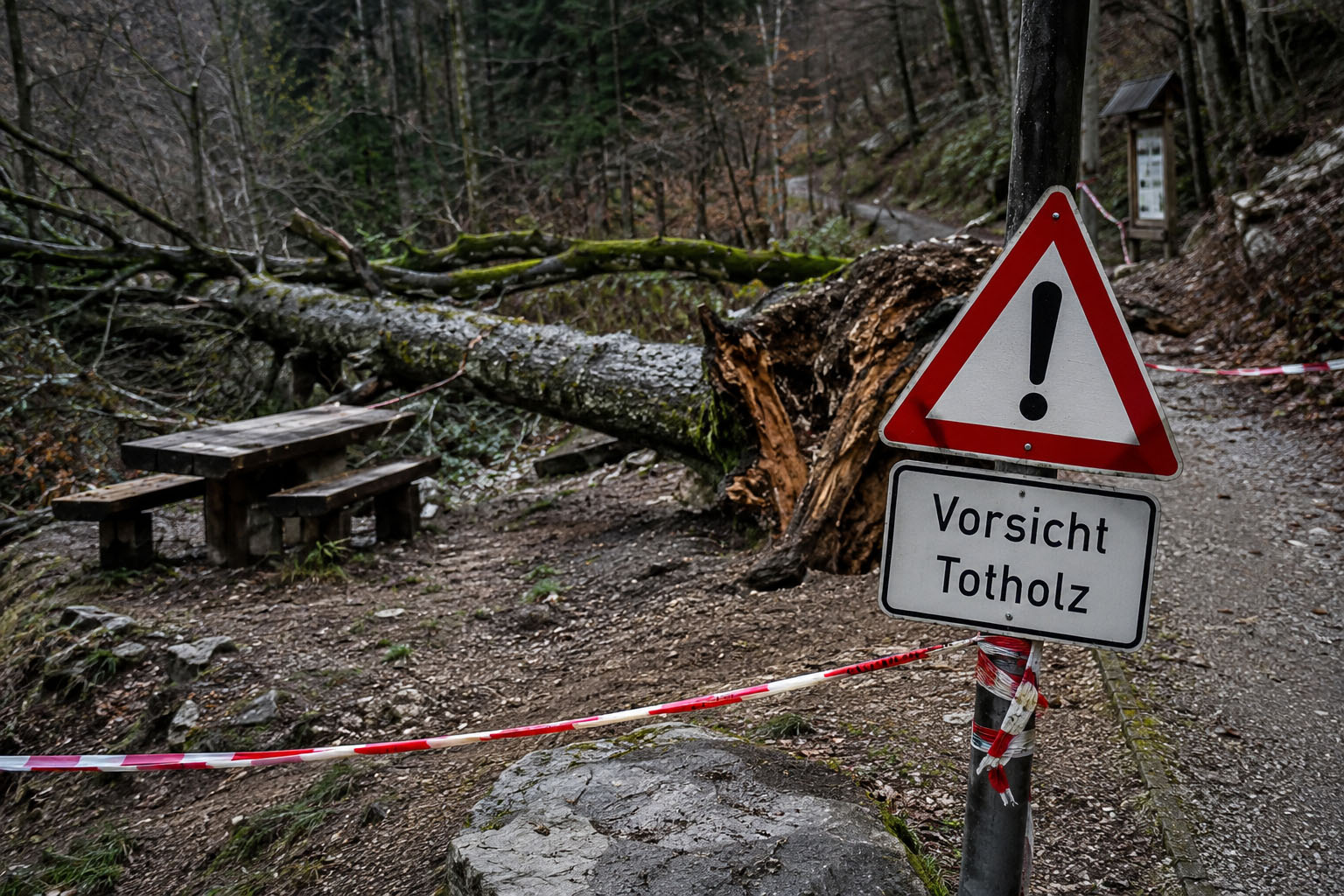
In 2020, a woman out walking in a forested area of the Veveyse district in the canton of Fribourg was struck by a falling tree. The accident left her permanently paraplegic. A lower court initially acquitted the forester responsible for that stretch of woodland, but the injured woman challenged that outcome. The Fribourg Cantonal Court reversed the decision, convicting the forester of negligent grievous bodily harm and sentencing him to a suspended fine of 20 daily penalty units. The court's reasoning struck at the heart of the forestry profession: along a heavily used nature trail, the court held, the forester should have inspected every individual tree or closed the path entirely. That standard has alarmed forestry professionals across Switzerland. Quentin Meyer, head of the La Saubrette forestry cooperative in the canton of Vaud, argues that no forest can ever be made completely safe, and that visitors must accept some personal responsibility when entering a natural environment. Meyer warns that if this ruling sets a precedent, the only realistic response may be to close vast numbers of hiking paths – an outcome he considers both impractical and contrary to Switzerland's tradition of open forest access. He also points to two compounding pressures: trees dying at accelerating rates due to climate change, and a surge in visitor numbers since the COVID-19 pandemic. Discussions are now underway in Vaud to establish clearer risk-management guidelines for forest operators.
重要な事実
- In 2020, a tree fell on a hiker in the Veveyse district of Fribourg canton, leaving her paraplegic.
- A lower court initially acquitted the forester responsible for that section of forest.
- The injured woman appealed the acquittal.
- The Fribourg Cantonal Court convicted the forester of negligent grievous bodily harm.
- The sentence is a suspended fine of 20 daily penalty units.
- The court held that the forester should have inspected every tree along the heavily used nature trail or closed the path.
- Forestry professionals fear the ruling creates an unrealistic duty of inspection that could force widespread trail closures.
- Climate change is accelerating tree die-off, increasing the hazard foresters face.
- Forest visitor numbers have risen sharply since the COVID-19 pandemic.
- The canton of Vaud is in discussions to develop clearer forest risk-management guidelines.
The Forest in the Dock
The forester does not sit in the dock like a criminal. He sits there like someone who has spent his entire life counting trees and is now suddenly being counted himself.
In front of him lie files. Behind him lies forest.
The courtroom of the Freiburg cantonal court appears austere. Light wood, bare tables, computer screens. Yet through the open windows shines a summer that looks suspiciously peaceful. One could almost forget why one is sitting here. It is not about a murder, not about a robbery, not about intrigue. It is about a tree.
A single tree.
It had been silent for decades. It had provided shade, shed leaves, carried birds. Then one day it fell over and buried a woman's previous life under its weight.
Since then she has been in a wheelchair.
The tree is silent.
The judges must speak for it.
The injured party gazes calmly ahead. Those who do not know her notice first only the wheelchair. Only later does it become clear that this wheelchair is not the actual verdict—but rather its prehistory.
She had gone for a walk.
Not on a forbidden path. Not during a storm. Not in a night full of thunder.
A summer day.
An educational trail.
A picnic area.
Then the forest crashed down.
Such accidents are usually told with a single sentence: A tree fell.
But between "stood" and "fell" sometimes lie decades—and now several thousand pages of court documents.
The presiding judge speaks matter-of-factly.
"Was the tree recognizably dangerous?"
A simple question.
The forester barely lifts his head.
"A forest does not consist of individual trees."
The sentence hangs in the air.
An expert answers.
"In a place with particularly many visitors, every single tree must be assessed."
Every.
That small word sounds heavier than the trunk of a beech.
The defense paints a picture of a forest that can never be fully controlled.
One cannot manage a forest like a parking lot.
One cannot inspect millions of trees daily.
Nature remains nature.
It ages.
It dies.
It falls.
The prosecution responds equally calmly.
"This was not about just any forest."
It shows aerial photographs.
The picnic area.
The educational trail.
The bench.
Precisely there people linger.
Right there, special care must be taken.
The discussion changes.
Suddenly it is no longer the tree on trial.
Not even the forester.
On trial is the question of how safe nature must be at all.
The forester looks tired.
He knows nothing of headlines.
He knows beetles.
Drought.
Fungal infestation.
Storms.
For years more and more trees have been dying.
Climate change is accelerating what once took decades.
At the same time, more and more people are coming.
Since Corona they seek recreation in the forest.
The forester does not describe his daily work like a civil servant.
He describes it like a man working against time.
"You cannot look at every tree."
The sentence does not sound like an excuse.
More like a surrender.
The judges retire.
One waits.
Nobody speaks.
Only paper rustles.
When the verdict is pronounced, the room hardly changes visibly.
Guilty.
Negligent grievous bodily harm.
Twenty daily rates suspended.
No prison.
And yet no victor leaves the courtroom.
The woman remains paralyzed from the waist down.
The forester remains a forester.
Only his profession has become a different one.
Outside, the trees rustle.
They know nothing of statutes.
They know neither negligence nor duty to ensure public safety.
They grow.
They age.
They die.
And sometimes they fall.
But since this verdict, it is no longer just a tree that falls.
With it falls a decades-long certainty.
That the forest is a place where nature may write its own laws.
Now courts write alongside it.
Whether the final chapter has already been written will not be decided in this courtroom.
That will be determined by the Federal Court.
Until then the forest remains the same.
Only the view of it has changed.
詳細分析
2020年7月9日、スイス・フリブール州ヴェヴェイズ地区ル・フロン自治体の公式自然遊歩道(sentier didactique)のピクニックテーブルで休んでいた女性が、枯れたブナの木の倒木により完全下半身麻痺(脊髄損傷による腰以下の全身麻痺)を負った。被害女性は2020年9月に刑事告訴を提起した。第一審では森林監視官(Förster)が無罪とされたが、2026年7月にフリブール州上級裁判所は控訴を認め、同監視官を過失致傷罪(fahrlässige schwere Körperverletzung)で有罪判決した。裁判所は、枯れ腐った木が公式公開遊歩道上のピクニック区域直上にあり、慎重な検査で危険性が認識可能だったと認定し、当該区域は囲込み、閉鎖、または伐採されるべきであったと結論付けた。判決は20日当たり罰金180スイスフラン(全額執行猶予、執行猶予期間2年)で、懲役刑なし。森林監視官はスイス最高裁判所への上訴を予定しており、フリブール州も支持している。同州の州議員ディディエ・カステラは、典型的な地区に100万本を超える樹木がある中で監視官に過度な検査義務を課すことは不合理だと公言した。本事件は、森林における公共安全義務(Verkehrssicherungspflicht)の範囲に関する根本的な法律問題を提起している。最高裁の判断はスイス全土の検査義務、監視官の責任、遊歩道閉鎖、自治体・林業経営のコストに関する判例法を確立する可能性があり、多くの他国の森林アクセス政策にも関連する。
タイムライン
この事件の経過を、出来事から裁判所の最終判断まで、裁判所自身が示した順序で示したものです。
2020年7月9日
事件発生
ル・フロン自治体の森林内の公式自然遊歩道上のピクニックテーブルで休んでいた2人の女性に、枯れたブナの木が倒れて落下し、うち1人が完全下半身麻痺を負った。
2020年9月
捜査
被害女性が身元不詳者に対する刑事告訴を提起。捜査は責任森林監視官およびときに自治体職員に焦点を当てた。
判決文に日付の記載なし
第一審判決
森林監視官が第一審で無罪判決を受けた。
判決文に日付の記載なし
控訴
被害女性が第一審無罪判決に対して控訴。
2026年7月
上級裁判所判決
フリブール州上級裁判所が第一審無罪判決を破棄し、森林監視官を過失致傷罪で有罪判決。量刑:180スイスフラン20日当たり罰金、執行猶予2年付きで全額執行猶予。
判決文に日付の記載なし。係争中
最高裁への上訴予定
森林監視官が判決に異議を唱え、スイス最高裁判所への上訴を計画。フリブール州はこの上訴を支持。州議員ディディエ・カステラは監視官に過度な検査義務を課すことは不合理だと公言。
証拠の強さ
各証拠が裁判所の判断理由の中でどれだけ重視されたかを示します。バーが長く濃いほど、その証拠が判決においてより重視されたことを意味します。これは裁判所自身の判断理由を反映したものであり、事件についての独自の評価ではありません。
枯れ腐った木が公式自然遊歩道上の指定ピクニック区域の直上に位置していたこと
95/100慎重な検査を通じて認識可能な危険状態にあったこと
80/100当該区域に対する安全措置(柵設置、閉鎖、伐採)が森林監視官により実施されなかったこと
75/100負傷の重大性(完全下半身麻痺)が身体傷害の深刻性を立証していること
60/100関係者
判決文に登場する人物と、それぞれが果たした役割です(例:被告人、証人、専門家など)。
判決文に記載なし
被告・有罪判決を受けた者 · フリブール州ヴェヴェイズ地区ル・フロン自治体の森林を管轄する森林監視官(Förster)
判決文に記載なし
被害者・民事請求人・控訴人 · 公式自然遊歩道を利用していた一般市民
判決文に記載なし
目撃者・同伴者 · 事件当時ピクニック区域に居合わせた第2の女性
判決文に記載なし
捜査中に関心を持たれた者 · 自治体職員(Gemeindeverantwortlicher)
ディディエ・カステラ
上訴支持者 · フリブール州州議員(Staatsrat)
裁判所がこの判断をした理由
裁判所が判決の理由として挙げた事項を、判決文に記載された順序で示しています。法的重要度による順位付けではなく、単に記載順です。
- 枯れ腐った木が来訪者に明確に立ち入りを招待されたピクニック区域の直上に位置していたことで、当該特定区域に対する高度な注意義務が生じた
- 裁判所は木が目に見えて枯れており腐朽していることを認定し、慎重な検査を通じて危険性が認識可能であったと判断した
- 責任森林監視官は、多くの来訪者が集まる区域において当該危険木に対する囲込み、閉鎖または伐採を実施しなかった
- 裁判所はピクニック地点周辺の区域を特に高度な配慮を要する特別な区域と位置付け、森林全体の全樹木に対する一般的検査義務とは区別した
- 当該地点が公式自然遊歩道の直側にあることにより、一般大衆の現在の可能性および付随的注意義務がさらに高まった
よくある質問
本事件で何が起きたのか?
2020年7月9日、スイス・フリブール州ル・フロン自治体の公式自然遊歩道上のピクニックテーブルで休んでいた女性が、枯れたブナの木の倒木により打たれた。その結果、完全下半身麻痺を負った。その後刑事告訴を提起し、第一審無罪判決が2026年7月の控訴により破棄されて、責任森林監視官が過失致傷罪で有罪判決を受けた。
誰がどの罪で有罪判決を受けたのか?
責任森林監視官(Förster)が2026年7月、フリブール州上級裁判所により過失致傷罪(fahrlässige schwere Körperverletzung)で有罪判決を受けた。
裁判所が科した刑罰は何か?
森林監視官に対して、180スイスフラン20日当たり罰金が科され、全額執行猶予、執行猶予期間2年とされた。これは懲役刑なしを意味する。
スイス刑法における日当たり罰金(Tagessatz)とは何か?
日当たり罰金はスイス刑法で使用される金銭罰の単位である。単位数は犯罪の重大性を反映し、単位当たりの金額は犯人の財力に合わせて調整される。本事件では180スイスフラン20日当たり罰金(計3,600スイスフラン)が科されたが、刑は執行猶予となった。
「執行猶予」とはどういう意味か?
執行猶予刑は、犯人が条件(本件では2年間の執行猶予期間)を遵守し、その他の犯罪を犯さない限り、罰金の支払いをしなくてもよいことを意味する。もし条件に違反した場合、執行猶予刑が発動される可能性がある。
なぜ森林監視官が責任を問われたのか?
裁判所の認定では、ブナの木は枯れ腐っており、慎重な検査で危険性が認識可能であったはずである。木は公式公開遊歩道上のピクニック区域の直上に位置しており、来訪者が明確に立ち入りを招待されていた。裁判所は当該区域が囲込み、閉鎖、または伐採されるべきであったと結論付けた。
第一審での判決はどうであったか?
第一審では森林監視官は無罪判決を受けた。被害女性がその無罪判決に控訴し、フリブール州上級裁判所がこれを破棄して有罪判決を下した。
本事件の中心的な法律上の義務は何か?
中心的な法律概念は公共安全義務(Verkehrssicherungspflicht)である。本事件は、一般市民に開放された森林地域において当該義務がどこまで及ぶかという問題を提起している。特に公式遊歩道上の指定休憩区域での責任範囲が問題である。
判決により、あらゆるハイキングコース沿いのすべての樹木を検査する必要があるという意味か?
裁判所自らの推論によればそうではない。メディア報道は時折判決をそう一般化しているが、裁判所の分析はピクニック区域周辺の区域に限定的に焦点を当てているようである。当該区域は来訪者が明確に立ち止まり休むよう招待されている特殊な場所である。
ピクニック区域であることが法律上なぜ重要か?
裁判所の推論では、一般市民が明確に立ち入りを招待される場所は、通常の遊歩道と比較して高度な配慮義務を生じさせる。ピクニックテーブルに座っている来訪者は静止しており、頭上の危険にさらされやすく、当該地での立ち止まりの招待は管理当局による安全確保の一定の保証を暗示している。
本事件の判決は確定したのか?
いいえ。森林監視官はスイス最高裁判所(Bundesgericht)への上訴の意思を示しており、フリブール州も当該上訴の支持を公に表明している。提供された情報の時点では、本事件は確定していない。
フリブール州が監視官の上訴を支持する理由は何か?
州の州議員ディディエ・カステラは、典型的な地区に100万本を超える樹木がある中で監視官に検査義務を課すことは不合理で非現実的だと公言した。州は有罪判決で課された義務が不均衡だと考えているようである。
最高裁がどのような判例法を確立する可能性があるか?
最高裁の判決は、森林監視官の検査義務、公開遊歩道上の公共安全義務の範囲、自治体およびカントンの責任、また来訪者が自然区域内で固有の危険を引き受けるかどうかについて、全国的な基準を確立する可能性がある。遊歩道閉鎖や林業経営費用に関する政策にも影響を与える可能性がある。
本事件がスイス以外の国にも影響を与える可能性があるか?
本事件は、公共安全義務と森林の自然的性質のバランスが多くの管轄地域において共通する問題であることを踏まえ、公開林道管理政策を持つ多くの他国に関連性を有すると指摘されている。
被害者はどのような傷害を負ったのか?
被害者は完全下半身麻痺(脊髄損傷により腰以下の全身が麻痺する状態)を負った。枯れたブナの木の倒木がピクニックテーブルで座っている最中に彼女を打った。
刑事手続きはどのようにして始まったのか?
被害女性が2020年9月に身元不詳者に対する刑事告訴を提起した。その後の捜査は森林監視官およびときに自治体職員に焦点を当てた。
自治体職員が最終的に訴追または有罪判決を受けたか?
要約文では自治体職員が捜査の焦点となったことが示されているが、説明される有罪判決は森林監視官のみである。自治体職員の有罪判決は判決文要約に言及されていない。
何の樹木が傷害を引き起こしたのか、またそれがなぜ重要か?
樹木は枯れたブナであった。裁判所はそれが腐朽しており、慎重な検査で危険状態が認識可能だったはずだと認定した。樹種は関連性があるなぜなら、枯れたブナの樹木は林業学上、比較的短期間で構造的強度を失うことが知られており、これは危険性の予見可能性に関わるからである。
本事件が引き起こした広くの政策論争は何か?
本事件は、国家が公式森林遊歩道および休憩区域をほぼリスク無い状態に保つ義務があるのか、それともまたは自然環境への来訪者は一定度の固有の自然的危険を受け入れるのかについての根本的な問題を提起している。判決結果はスイス当局が公共森林アクセスと安全義務および適格性と財政的コストとのバランスをどう取るかに影響を与える。
事故は正確にはどこで発生したのか?
事故はスイス・フリブール州ヴェヴェイズ地区ル・フロン自治体の森林内の公式自然遊歩道(sentier didactique)のピクニック区域で発生した。
裁判所が監視官に期待していたと思われる実際的対策は何か?
裁判所の認定に基づけば、期待される対策は当該区域の囲込み、公共への閉鎖、または枯れ腐った木の伐採であった。特に木が公式遊歩道上のピクニック区域の直上に位置し、来訪者が明確に立ち入りを招待されていたことが重要である。
監視官が有罪判決に加えて民事責任を負う可能性があるか?
判決要約は刑事手続きのみを扱っている。損害賠償に関する民事手続きが提起されているか、またはされるかどうかは判決要約に明らかではない。
重要な理由
The ruling raises the standard of care expected of foresters to a level that critics argue is unachievable in practice, potentially setting a precedent that could force the closure of public hiking paths across Switzerland. It brings into sharp focus the tension between the right to open forest access and the legal liability that comes when accidents occur in uncontrollable natural environments. The case is prompting Switzerland's forestry sector to push for clearer statutory guidelines on what constitutes adequate risk management.
情報源
Share of negligent offences in Switzerland
Where do most accidents happen in Switzerland?
After the Verdict – Reflections
People always ask how a verdict could have been prevented. The same question is asked of a roof after it has collapsed, of a ship after it has sunk, or of a person after their heart has stopped beating. Rarely does anyone ask it beforehand.
The forester might have been able to examine every tree. He might have tapped every trunk with a small hammer, scrutinized every crown through binoculars, had every rotten branch felled. Then perhaps this tree would not have fallen.
But perhaps another one would have.
Because the forest is not a clockwork mechanism. It is older than all statutes and will outlive them.
One asks how the forester could have reduced his punishment.
Perhaps he should have wept.
Courts do not love tears, but they do not distrust them either. A man who says: "I did everything correctly" sometimes insults the victim's pain, even though he speaks the truth. But a man who says: "I will never forget this woman" does not speak about guilt, but about humanity. And sometimes humanity weighs more in court than logic.
One questions his lawyer.
The lawyer defended the forester.
Perhaps he should have defended the human being.
He spoke of forest management, of professional guidelines, of natural hazards, of dead beeches and duty to ensure public safety. Everything was right. Everything was reasonable.
Only one thing was missing.
The woman.
In court, one must never forget that at the beginning of every file stands a human being. Judges rule according to laws. But they listen to stories first.
Perhaps the defense should have said:
"My client meant this woman no harm. He will carry the day of her misfortune with him for the rest of his life. He does not ask the court for pity. He only asks not to be held almighty. He became a forester because he loves trees. Not because he rules over them."
Perhaps this sentence would have changed nothing.
Perhaps everything.
And finally one asks about the judge.
Was he strict?
Was he unjust?
Was he driven by the spirit of the times?
No.
He was a judge.
Judges rarely judge only about the person before them. They always judge also for those who come tomorrow.
Fifty years ago, perhaps the tree would have been guilty.
Today one looks for the responsible party.
Tomorrow perhaps one will ask the legislator.
Thus guilt wanders through time like a lonely wanderer through the forest.
And the forester?
He will walk among the beeches again.
But from now on, every dead branch he hears crack above him will no longer sound merely of wood.
It will sound like a verdict.