Criminalità · Austria · Landesgericht Feldkirch (Feldkirch Regional Court)
"I'm Not Your Brother": Judge Rebukes 'Bro' Remark as Alleged Robbery Case Ends in Acquittals
A robbery trial in Feldkirch, Austria, unraveled spectacularly when the alleged victim changed his story on the stand and dismissed the judge's scepticism with a breezy 'All good, bro' — prompting the visibly irritated judge to snap back: 'I am not your brother!'
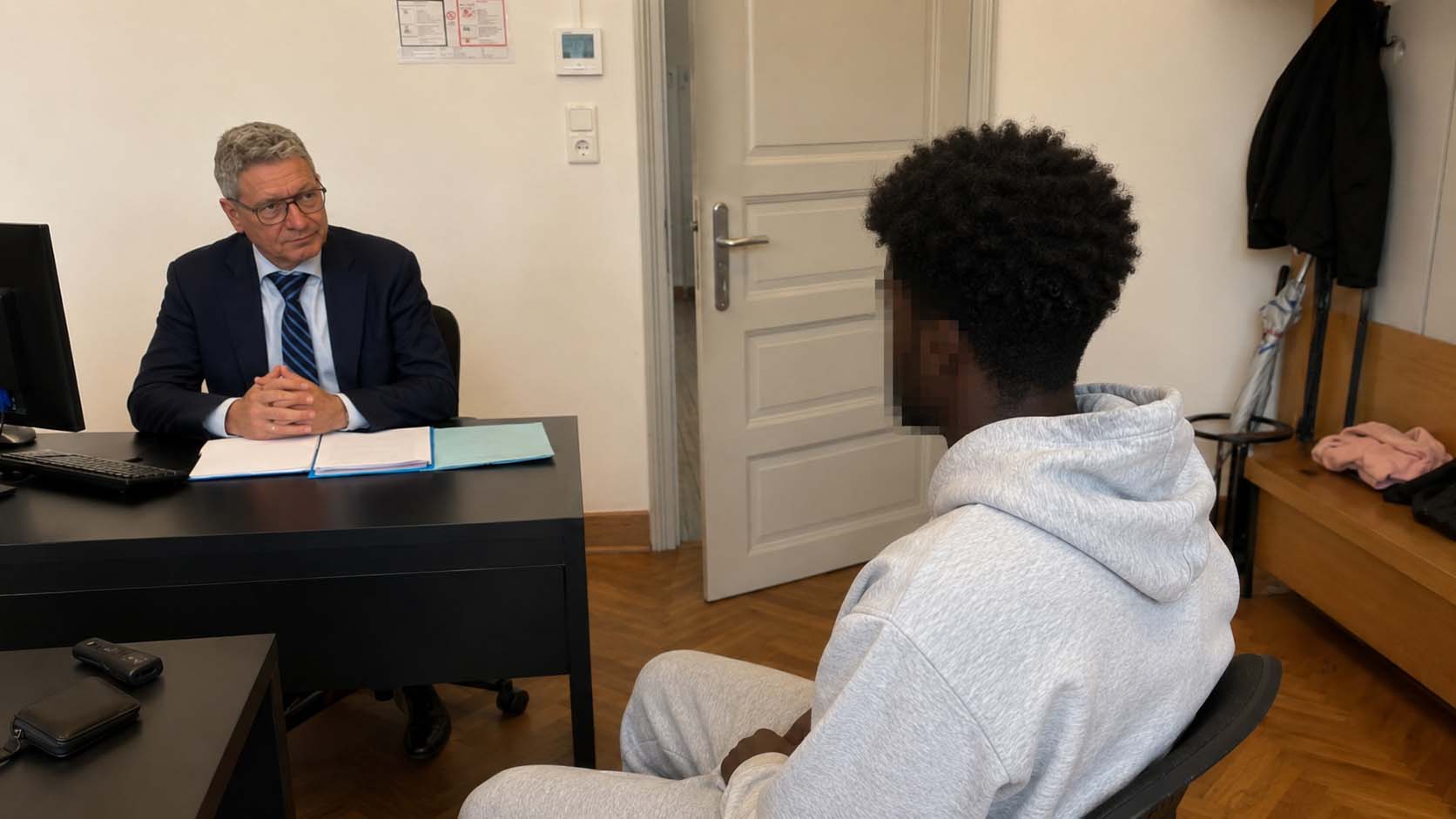
'Bro': The Feldkirch Regional Court as a theater stage.
It started as a straightforward robbery case: two Somali men were accused of luring a man from a betting shop in Dornbirn into a dark alleyway in late January, on the pretext of changing money, then taking a 100-euro note from him by force. Security footage confirmed the three men left the venue together that night, but the actual alleged assault happened off camera — and from there, the case fell apart piece by piece. The defendants offered a starkly different account, claiming the encounter was nothing more than a small cannabis deal worth 20 euros, with the alleged victim owing money. Then the alleged victim himself took the stand and promptly contradicted his own police statement, suddenly insisting the second defendant was actually a friend who had stepped in to mediate. Judge Elias Klingseis confronted him directly with the contradictions, making clear he wasn't buying the story — only for the witness to shrug it off with 'All good, bro.' The judge, visibly annoyed, cut him off: 'I am not your brother.' Even the prosecutor conceded the witness had 'certainly not told the whole truth,' though she noted that was hardly unusual in drug-related matters. With the robbery charge unsustainable, both defendants were acquitted. However, the first defendant — who had prior convictions — was separately found guilty of unlawful possession of narcotics, fined 600 euros, and had the probation period of an earlier suspended sentence extended to five years. Both verdicts are final.
Fatti chiave
- Two Somali men were charged with robberly theft allegedly committed in late January in Dornbirn, Austria.
- The alleged victim's account changed significantly between his police statement and his court testimony.
- The defendants claimed the encounter was a 20-euro cannabis deal, not a robbery.
- Security footage showed the three men leaving the betting shop together but did not capture the alleged offence.
- The witness addressed Judge Klingseis as 'Bro,' prompting a sharp rebuke from the bench.
- The prosecutor acknowledged the witness had likely not told the full truth.
- Both defendants were acquitted of the robbery charge.
- The first defendant was convicted of unlawful drug possession and fined 600 euros.
- The first defendant's probation period from a prior suspended sentence was extended to five years.
- All verdicts are legally final.
The Man Who Called the Judge 'Bro'
There are court proceedings in which the verdict seems to vanish long before the judge's ruling. Not because the law has failed, but because the truth has changed its clothes along the way and finally appears in a form that no one recognizes anymore.
In Feldkirch, two men stood before the court. The prosecution told of a nighttime robbery: a betting parlor, a hundred-euro note, a dark side alley, and violence. It was a story the way files love them – straightforward, orderly, with a clear beginning. Yet stories that work on paper sometimes lose their footing outside the files.
The surveillance cameras proved to be conscientious witnesses. They saw three men leaving a bar together. Nothing more. Cameras observe movements, not intentions. They know paths, but not motives. Precisely where criminal law begins, their language often ends.
The defendants told a different story. No robbery, they said. Just a failed deal over some cannabis worth barely twenty euros. A small dispute among men who met one night and wanted nothing to do with each other by morning.
The most important witness seemed to know every version – except his own. What had been true yesterday suddenly looked different today. A burdened witness became almost a friend. A co-defendant became a mediator. The sentences changed direction with an ease that left the judge bewildered.
Finally, the presiding judge laid down reason's last card on the table.
'This story, I don't buy it.'
The witness smiled as if he were not in a courtroom but on a street corner.
'All good, Bro.'
It was just a single word. Short enough to be overlooked, yet long enough to make visible the distance between court and street. The judge replied coldly:
'I am not your brother.'
Perhaps there was more in that sentence about our time than in the many pages of investigative files. The court demands distance, language, and accountability. Everyday life increasingly answers with familiarity, slang, and indifference.
In the end, not enough remained of the grand accusation of armed theft. Doubt in criminal law is not a weakness but a protection. Where facts can no longer be distinguished from narratives, no conviction may stand. Both defendants were therefore acquitted.
Only one secondary matter remained. One of the men was convicted of illegal drug possession and sentenced to a fine. The grand proceeding shrank into a small offense – like a thunderstorm that in the end leaves only a few raindrops behind.
Those who left the courtroom probably didn't take the legal niceties home with them. What remained in memory was that brief exchange between a judge who insisted on dignity and a witness who wanted to bridge formality with a casual 'Bro.' Sometimes a single word tells more about an era than an entire trial.
Analisi approfondita
Due al Tribunale regionale di Feldkirch, in Austria, due cittadini somali sono stati processati per furto con rapina aggravata (räuberischer Diebstahl). Erano accusati di aver attirato un uomo fuori da una sala scommesse a Dornbirn in un vicolo buio con il pretesto di scambiare denaro, per poi sottrargli con la forza una banconota da 100 euro a fine gennaio. Entrambi gli imputati hanno negato completamente il furto con rapina, sostenendo invece che l'incontro riguardava soltanto una piccola transazione di cannabis per 20 euro e che la presunta vittima doveva ancora denaro a loro. Il caso si basava quasi interamente sulla testimonianza della presunta vittima, poiché le uniche riprese video disponibili confermavano solo che i tre uomini avevano lasciato insieme la sala scommesse — l'aggressione presunta non era stata registrata in nessun filmato. Il teste chiave ha gravemente compromesso la propria credibilità contraddicendo le sue precedenti dichiarazioni alla polizia durante il processo, notevolmente affermando improvvisamente di essere amico del secondo imputato e dichiarando che quest'ultimo aveva effettivamente agito come mediatore — una rivendicazione in diretto contrasto con la sua precedente dichiarazione alla polizia, in cui aveva identificato il secondo imputato come autore principale. Il giudice Elias Klingseis ha esplicitamente affermato di non credere alla versione rivista del teste. L'udienza ha anche presentato uno scambio notevole in aula: quando il giudice ha detto al teste «Non credo a questa storia», il teste ha risposto «Va bene, Bro», spingendo il giudice a rispondere bruscamente: «Non sono tuo fratello!» Questo momento è divenuto l'episodio più memorabile del procedimento. Applicando il principio dell'in dubio pro reo (in caso di dubbio, a favore dell'imputato), il tribunale ha assolto entrambi gli imputati dall'accusa di furto con rapina, non perché convinto della loro innocenza, bensì perché la prova non soddisfaceva lo standard richiesto. La prova obiettiva era insufficiente e l'unico teste incriminante era risultato non credibile. Tuttavia, il primo imputato, che aveva precedenti condanne rilevanti, ha affrontato un'accusa ampliata: è stato condannato per possesso illegale di stupefacenti, multato di 600 euro, e il suo precedente periodo di prova è stato prolungato a cinque anni. Tutti i verdetti sono legalmente definitivi.
Cronologia
La sequenza degli eventi in questo caso, dai fatti alla decisione finale del tribunale, nell'ordine presentato dal tribunale stesso.
Fine gennaio (data precisa non specificata)
Fatto
Presunto furto con rapina: la vittima è stata presumibilmente attirata fuori da una sala scommesse a Dornbirn in un vicolo buio con il pretesto di scambiare denaro, e una banconota da 100 euro è stata presumibilmente sottratta a lei con la forza.
Data sconosciuta
Investigazione
Indagine della polizia condotta. La presunta vittima ha reso una dichiarazione alla polizia, principalmente implicando il secondo imputato come autore principale. Le riprese video dell'area sono state esaminate, confermando solo che i tre uomini hanno lasciato insieme la sala scommesse.
Data sconosciuta
Imputazione
Entrambi gli imputati sono stati accusati di furto con rapina aggravata (räuberischer Diebstahl). L'accusa contro l'Imputato 1 è stata successivamente ampliata per includere il possesso illegale di stupefacenti.
Data sconosciuta
Processo
Il processo si è svolto presso il Tribunale regionale di Feldkirch dinanzi al giudice Elias Klingseis. Entrambi gli imputati hanno negato completamente il furto con rapina, sostenendo che l'interazione riguardava una transazione di cannabis da 20 euro e che la vittima doveva ancora denaro. Il teste chiave ha contraddetto la sua dichiarazione alla polizia, affermando di essere amico dell'Imputato 2 e dichiarando che l'Imputato 2 aveva agito come mediatore. Il giudice ha dichiarato di non credere alla versione rivista del teste. Lo scambio notevole «Bro» si è verificato tra il giudice e il teste.
Data sconosciuta
Verdetto
Entrambi gli imputati sono stati assolti dal furto con rapina aggravata a causa di prove insufficienti e dell'inaffidabilità del teste chiave. L'Imputato 1 è stato condannato per possesso illegale di stupefacenti, multato di 600 euro, e il suo periodo di prova è stato prolungato a cinque anni. Tutti i verdetti sono legalmente definitivi.
Forza delle prove
Quanto peso ha avuto ciascuna prova nel ragionamento del tribunale — una barra più lunga e scura indica che il tribunale vi si è basato maggiormente per la sua decisione. Riflette il ragionamento del tribunale, non una valutazione indipendente del caso.
Testimonianza contraddittoria della presunta vittima
15/100Riprese video (mostrano solo la partenza congiunta dalla sala scommesse)
30/100Negazione coerente degli imputati e versione alternativa (transazione di cannabis)
40/100Assenza di prove fisiche o forensi di violenza
10/100Precedente storia penale dell'Imputato 1 (rilevante solo all'accusa di stupefacenti)
5/100Persone coinvolte
Le persone citate nella sentenza e il ruolo svolto da ciascuna — ad esempio l'imputato, un testimone o un perito.
Imputato 1 (Primo accusato)
Imputato · Cittadino somalo accusato di furto con rapina aggravata insieme all'Imputato 2.
Imputato 2 (Secondo accusato)
Imputato · Cittadino somalo accusato di furto con rapina aggravata insieme all'Imputato 1.
Presunta vittima (Teste chiave)
Querelante / Teste principale dell'accusa · L'uomo presumibilmente derubato nel vicolo; l'unico teste diretto dell'aggressione presunta.
Giudice Elias Klingseis
Giudice presidente · Giudice presso il Tribunale regionale di Feldkirch; ha presieduto il processo e ha emesso il verdetto.
Perché il tribunale ha deciso così
Le motivazioni indicate dal tribunale per la sua decisione, nell'ordine in cui compaiono — non una gerarchia di importanza giuridica, solo l'ordine di presentazione.
- L'unico teste dell'accusa (la presunta vittima) ha contraddetto più volte le sue precedenti dichiarazioni, rendendo la sua testimonianza sostanzialmente incredibile al tribunale
- Non esiste alcuna prova obiettiva di un furto violento: le riprese video hanno solo confermato che i tre uomini hanno lasciato insieme la sala scommesse, non alcuna aggressione o rapina
- Lo standard del ragionevole dubbio (in dubio pro reo) non poteva essere soddisfatto data la testimonianza contraddittoria e inaffidabile e l'assenza di prove corroboranti
- Entrambi gli imputati hanno coerentemente negato il furto con rapina e hanno offerto una spiegazione alternativa (una transazione di cannabis da 20 euro con un debito in sospeso), che non poteva essere conclusivamente smentita
- La revisione del teste in aula — affermando amicizia con il secondo imputato e che il secondo imputato aveva addirittura mediato — ha direttamente contraddetto la sua dichiarazione alla polizia, ulteriormente minando il caso dell'accusa
Domande frequenti
Quali erano le principali accuse in questo caso?
I due imputati erano accusati di räuberischer Diebstahl (furto con rapina aggravata). Il primo imputato affrontava inoltre un'accusa di unerlaubter Besitz von Suchtgift (possesso illegale di stupefacenti).
Quale è stato l'esito dell'accusa di furto con rapina per entrambi gli imputati?
Entrambi gli imputati sono stati assolti dall'accusa di furto con rapina aggravata. Il tribunale ha ritenuto che le prove non soddisfacessero lo standard richiesto.
Quale principio legale ha applicato il tribunale per raggiungere l'assoluzione?
Il tribunale ha applicato il principio dell'in dubio pro reo, significato «in caso di dubbio, a favore dell'imputato». L'assoluzione non si basava su una convinzione di innocenza ma sull'insufficienza delle prove.
Il tribunale credeva che gli imputati fossero innocenti del furto con rapina?
Non necessariamente. Il tribunale ha esplicitamente non condannato perché lo standard di prova non era soddisfatto, non perché fosse affermatively convinto dell'innocenza degli imputati.
Cosa hanno detto gli imputati fosse accaduto durante l'incontro?
Gli imputati hanno negato completamente il furto con rapina. Hanno sostenuto che l'incontro riguardava solo una piccola transazione di cannabis per 20 euro e hanno affermato che la presunta vittima doveva ancora denaro a loro.
Cosa ha affermato la presunta vittima fosse accaduto?
La presunta vittima ha affermato di essere stata attirata fuori da una sala scommesse a Dornbirn in un vicolo buio con il pretesto di uno scambio di denaro, e che gli imputati avevano quindi sottratto una banconota da 100 euro a lei con la forza.
Perché il teste chiave è stato ritenuto non credibile?
Il teste ha gravemente contraddetto la sua precedente dichiarazione alla polizia durante il processo. Notevolmente, ha improvvisamente affermato di essere amico del secondo imputato e ha detto che quell'imputato aveva agito come mediatore — direttamente in contrasto con la sua precedente dichiarazione alla polizia in cui aveva identificato lo stesso imputato come autore principale.
Cosa ha detto il giudice della versione rivista del teste?
Il giudice Elias Klingseis ha esplicitamente dichiarato di non credere alla versione rivista del teste.
C'era prova video in questo caso?
Sì, ma limitata. Le riprese video disponibili hanno confermato solo che i tre uomini hanno lasciato insieme la sala scommesse. L'aggressione presunta non è stata catturata in nessuna registrazione.
Quale è stato lo scambio memorabile in aula tra il giudice e il teste?
Quando il giudice ha detto al teste «Non credo a questa storia», il teste ha risposto «Va bene, Bro». Il giudice ha quindi risposto bruscamente: «Non sono tuo fratello!»
Cosa è accaduto al primo imputato oltre all'accusa di furto con rapina?
Il primo imputato è stato condannato per possesso illegale di stupefacenti, multato di 600 euro, e il suo precedente periodo di prova è stato prolungato a cinque anni.
Il secondo imputato è stato condannato per qualcosa?
Non è evidente nel giudizio oltre l'assoluzione dall'accusa di furto con rapina. Nessuna condanna ausiliare è menzionata per il secondo imputato.
Perché il primo imputato ha affrontato un'accusa ampliata rispetto al secondo imputato?
Il primo imputato aveva precedenti condanne rilevanti, che supportavano l'accusa aggiuntiva di possesso di stupefacenti e il prolungamento del suo periodo di prova.
Dove è avvenuto il presunto furto con rapina?
Il presunto furto con rapina è avvenuto a Dornbirn, Austria, in un vicolo buio vicino a una sala scommesse, a fine gennaio.
Quale corte ha esaminato questo caso?
Il caso è stato esaminato presso il Tribunale regionale di Feldkirch, Austria.
Chi era il giudice presidente?
Il giudice presidente era il giudice Elias Klingseis.
I verdetti sono soggetti a appello?
Il giudizio dichiara che tutti i verdetti sono legalmente definitivi.
Quale era il presunto valore dell'oggetto sottratto nel furto con rapina?
La presunta vittima ha affermato che una banconota da 100 euro è stata sottratta a lei con la forza.
Quale era il presunto valore della transazione di cannabis secondo gli imputati?
Gli imputati hanno sostenuto che la transazione riguardava cannabis per 20 euro.
Quanti testimoni erano disponibili per supportare l'accusa di furto con rapina?
Il caso si basava quasi interamente sulla testimonianza della presunta vittima, che era l'unico teste incriminante. Non sono menzionati altri testimoni che corroborassero il furto con rapina nel giudizio.
Cosa è räuberischer Diebstahl secondo la legge austriaca?
Il giudizio caratterizza räuberischer Diebstahl come furto con rapina aggravata. Oltre a questa caratterizzazione nel riassunto del caso, ulteriori dettagli statutari non sono evidenti nel giudizio.
La nazionalità degli imputati ha giocato un ruolo affermato nel ragionamento del tribunale?
Non è evidente nel giudizio. La nazionalità somala degli imputati è menzionata come contesto di base ma nessun ruolo nel ragionamento legale del tribunale è descritto.
Perché è importante
The case illustrates how a robbery prosecution can collapse entirely when the key witness contradicts his own prior statements, leaving the court unable to establish the facts beyond reasonable doubt. It also highlights how drug-related encounters can generate conflicting narratives that frustrate truth-finding, and how courts may still pursue ancillary charges — here, drug possession — when the primary charge fails.
Fonti
Austrian Reconviction Rate
Context: The Price of Doubt
A court is not a theater. And yet there are days when the stage is better cast than the play.
One might shake one's head at the effort. Police, prosecutors, judges, defense attorneys, interpreters, court clerks – an entire state apparatus set itself in motion over alleged damages of one hundred euros, or perhaps just over a failed cannabis deal worth twenty euros. Ask the taxpayer, and they will see waste. Ask the rule of law, and you get a different answer: it is not the amount of money that determines whether criminal proceedings are conducted, but the suspicion of a serious crime.
And serious the accusation certainly was. Armed theft is among those offenses where property and violence intersect. Had the court been convinced by the prosecution, the defendants would have faced not a minor offense, but a painful prison sentence. What began as a nighttime walk from a betting parlor into a side alley could easily have become the start of a long imprisonment.
But between suspicion and conviction lies the burden of proof. For a guilty verdict, the court would have had to be convinced that the accusation actually occurred as the prosecution described it. It would have needed credible, internally consistent testimony or objective evidence that mutually supported each other. That is precisely where the case failed. The main witness contradicted himself, the video recordings ended where the decisive minutes began, and the defendants' alternative explanation could neither be reliably refuted nor confirmed. Criminal law knows only one answer to such situations: in case of doubt, no conviction may stand.
Some may find this outcome unsatisfying. Yet an acquittal does not necessarily mean that nothing happened. It merely means that what happened could not be proven with the required certainty. This distinction is uncomfortable – but it protects every citizen from convictions based on mere suspicion.
The question remains whether the defendants learned anything from this proceeding. No court has an answer to that. At least one of them was convicted of illegal drug possession and already had a prior conviction for the same offense. This shows that this was not his first conflict with the law. Whether he will distance himself from criminal activity in the future or appear in court again, no one can seriously predict. Recidivism statistics describe probabilities, but never the fate of a single person.
Perhaps the real lesson of this trial is something else. Not the casual shout of 'Bro,' which drew attention for a brief moment, remains significant. What matters is that a state under the rule of law is prepared to treat even a small, tangled, and unpleasant-seeming case with the same care as a major one. For the weight of justice is not measured by the value of the banknote, but by the thoroughness with which it seeks the truth.